How to Identify Mosquitoes by Antennae and Markings
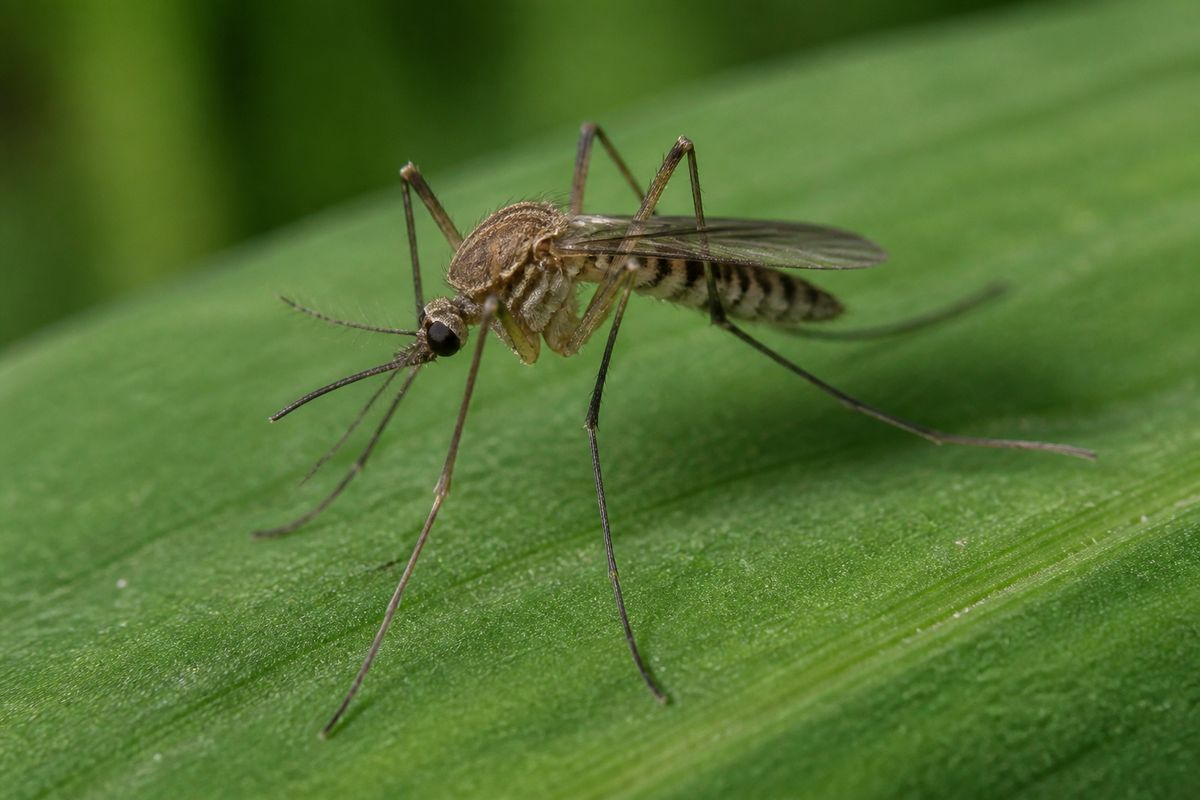
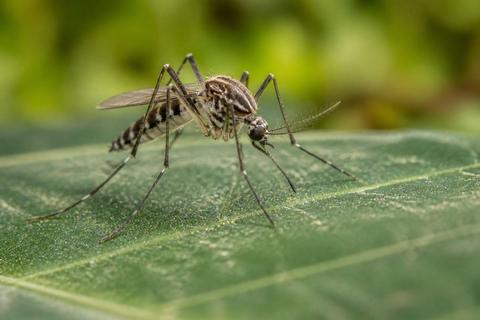
How to Identify Mosquitoes starts with three body regions: head, thorax, and abdomen, plus a handful of features that separate the common species you'll actually run into around a house or yard. Most people can nail down a genus with a magnifying glass and a good look at the wings, legs, and thorax pattern.
Body Structure and Coloration
Adult mosquitoes have a slender, elongated body built around three parts.
Head, Thorax, and Abdomen
Head: Carries the antennae and a long, forward-pointing proboscis. Antennae shape is the fastest way to sex a mosquito under magnification: males have feathery, plumose antennae, used to detect the sound of a female's wingbeat, while females have sparser, thread-like (filiform) antennae with only short whorls of hair.
Thorax: Holds three pairs of legs and one pair of scaled, mostly transparent wings. The scutum, the top surface of the thorax, carries pattern and color markings that are often the single best clue to species.
Abdomen: Elongated and segmented. A female that has just taken a blood meal will show a visibly swollen, reddish abdomen; an unfed mosquito's abdomen stays flat and slim.
Color and Markings
Base coloration runs gray, black, brown, or tan depending on species, but the markings matter more than the base color. Stripes on the legs, banding on the abdomen, and scale patterns on the thorax are what a field guide actually keys on.
Size and Wing Features
Size Range
Mosquitoes generally run 3 mm to 10 mm long, small enough that a ruler or a coin for scale helps more than eyeballing it.
Wing Veins and Scales
Wings are covered in tiny scales arranged along the veins, and the density and pattern of those scales differ by species. Culex wings tend to look plainer and less patterned than Aedes wings, which often show more contrast along the veins.
Proboscis
The proboscis is the needle-like mouthpart used for both nectar feeding and, in females, blood feeding. It's proportionally longer and more prominent in females, since it has to pierce skin.
Three Species Worth Knowing
Aedes aegypti (Yellow Fever Mosquito)
Markings: White scales on the top of the thorax form a lyre or violin shape against a black background, and the legs carry black-and-white banding.
Size: About 4-7 mm long.
Habitat: Breeds in small artificial containers in urban areas, flower pots, discarded tires, buckets, anything that holds even a small amount of standing water.
Culex pipiens (Common House Mosquito)
Markings: Dark brown to tan overall, with alternating brown and white stripes across the top of the abdomen, and no strong leg banding.
Size: 4-10 mm long.
Habitat: Stagnant, often organically rich water, catch basins, clogged gutters, bird baths, and ditches.
Anopheles Species (Malaria Mosquitoes)
Markings: Light brown with mottled, speckled wing scales rather than a clean solid pattern.
Size: Roughly 4-10 mm long.
Posture: Rests with its abdomen angled up and away from the surface, unlike the flatter resting posture of Culex and Aedes.
Feeding and Flight Behavior
When They Bite
Aedes mosquitoes bite mainly during the day, with peaks around dawn and dusk. Culex pipiens females bite at night, feeding on warm-blooded hosts after dark and resting indoors while they digest the blood meal.
Flight Style
Aedes mosquitoes fly low and fast with erratic, darting movements, which is part of why they're hard to swat. Culex mosquitoes fly more steadily and at a slightly higher altitude before landing to bite.
Where They Breed
Natural Sites
Ponds, marshes, swamps, and slow-moving stretches of rivers all support mosquito larvae, which live underwater and breathe through a siphon at the water's surface.
Artificial Containers
Flower pots, old tires, buckets, bird baths, and clogged gutters are common backyard breeding sites. Because larvae need still water for roughly a week or more to complete development, dumping containers every few days breaks the cycle before adults emerge.
Seasonal Activity
Mosquito activity generally picks up once temperatures climb into the 50s Fahrenheit (around 10-15°C) and stays high through warm, humid stretches that keep breeding sites wet. In cold weather, most adults become dormant or die off, while eggs of some species survive the winter and hatch when conditions warm back up.
Reducing Mosquitoes Around Your Home
Eliminate Standing Water
Dump, scrub, or cover anything that collects water for more than a few days, buckets, saucers under potted plants, and low spots in tarps.
Use Repellents
Repellents containing DEET or picaridin on exposed skin reduce bites from both day-biting Aedes and night-biting Culex species.
Screen Doors and Windows
Intact window and door screens keep adult mosquitoes from getting indoors in the first place.
Know Your Local Species
Since feeding times and breeding sites differ by species, identifying which mosquitoes are actually active in your area lets you time repellent use and water removal to when it matters most.