
Anatomy & Identification
How insect bodies work and how to tell species apart, from the chitin exoskeleton and compound eyes to the key wing, leg, and antennae features that make field identification possible. (14 guides.)
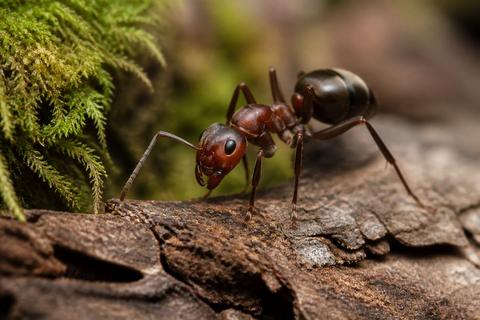 Anatomy & IdentificationRead article →The Anatomy of Ants: Mandibles, Gaster, and Caste Design
The Anatomy of Ants breaks down into three external body regions, an internal organ system built for a decentralized colony, and a caste system where shape follows job. Over 12,000
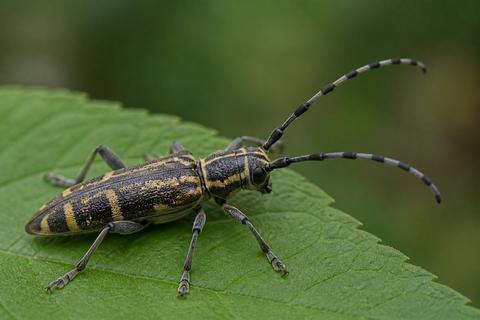 Anatomy & IdentificationRead article →How to Use Field Guides for Insect Identification
How to use field guides for insect identification comes down to matching what you see in the field to the right combination of size, shape, wing pattern, and habitat clues in the b
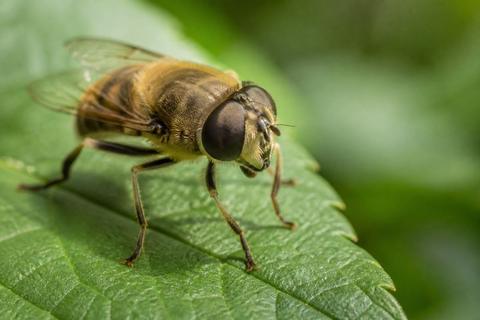 Anatomy & IdentificationRead article →How Insect Eyes Work: Thousands of Lenses, No Zoom
How Insect Eyes Work comes down to two separate optical systems built for different jobs: compound eyes for detecting motion and shape, and simple eyes (ocelli) for tracking light
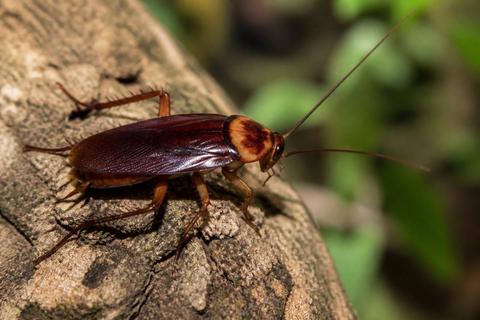 Anatomy & IdentificationRead article →The Digestive System of Cockroaches Explained, Gut by Gut
The digestive system of cockroaches explained simply: food moves through three main sections, the foregut, midgut, and hindgut, each doing a different job, and gut bacteria finish