
Anatomy & Identification
How insect bodies work and how to tell species apart, from the chitin exoskeleton and compound eyes to the key wing, leg, and antennae features that make field identification possible. (14 guides.)
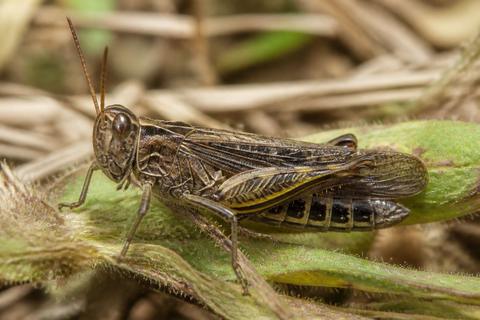 Anatomy & IdentificationRead article →Understanding Insect Muscles: Stretch-Activated Flight
Understanding insect muscles starts with a split most people never learn in school: insects run on two distinct kinds of muscle fiber, synchronous and asynchronous, and the second
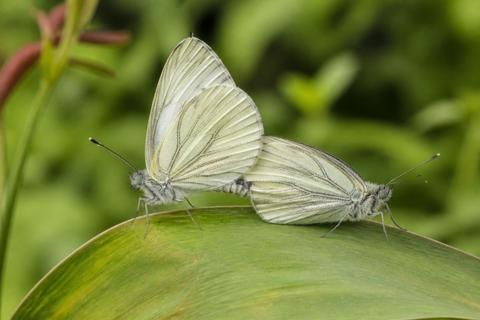 Anatomy & IdentificationRead article →The Reproductive Anatomy of Butterflies: Claspers to Spermatheca
The Reproductive Anatomy of Butterflies splits into two very different toolkits: males transfer sperm packaged with nutrients, and females store, digest, and time-release that pack
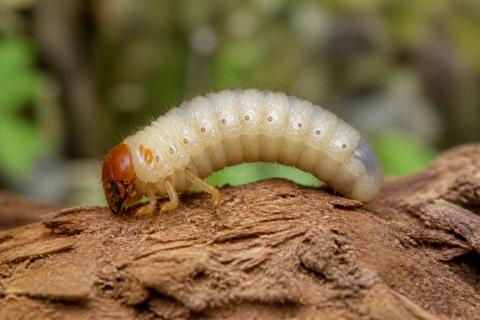 Anatomy & IdentificationRead article →Identifying Insect Larvae by Shape, Color, and Habitat
Identifying insect larvae comes down to four things: body shape, head structure, habitat, and behavior. A soft, legless maggot in rotting fruit and a hard-headed, C-shaped grub in
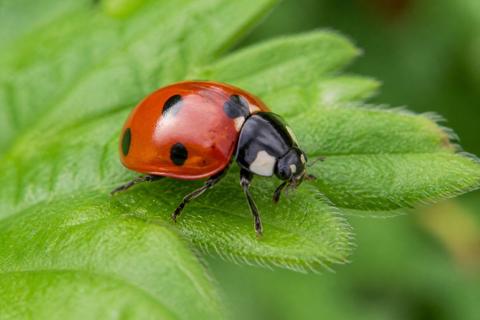 Anatomy & IdentificationRead article →The Anatomy and Behavior of Ladybugs: How They Hunt and Defend
The Anatomy and Behavior of Ladybugs comes down to a compact, three-part body built for hunting aphids and a set of defenses that keep birds from eating them twice. Ladybugs belong
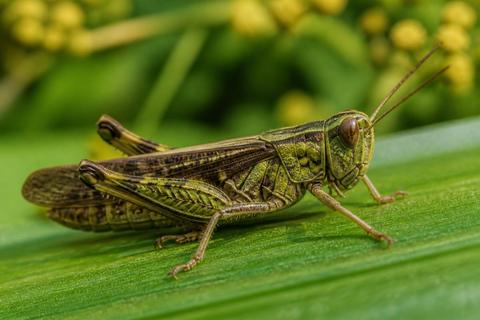 Anatomy & IdentificationRead article →Understanding the Respiratory System in Grasshoppers
Understanding the respiratory system in grasshoppers starts with one fact: they have no lungs. Instead, oxygen reaches every cell through a network of air-filled tubes called trach
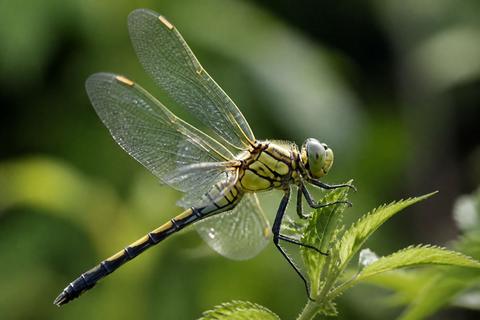 Anatomy & IdentificationRead article →How Bug Wings Work: The Click-Hinge Behind Every Beat
How bug wings work comes down to two things: a thin membrane stiffened by hollow veins, and a thorax that acts like a spring-loaded box. Insects are the only invertebrates that fly
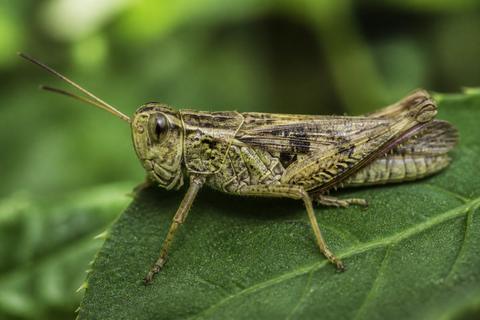 Anatomy & IdentificationRead article →The Circulatory System of Insects: Open, Not Closed
The circulatory system of insects moves hemolymph, not blood, through open body cavities instead of a network of sealed vessels. This open design means an insect's "blood" bathes i
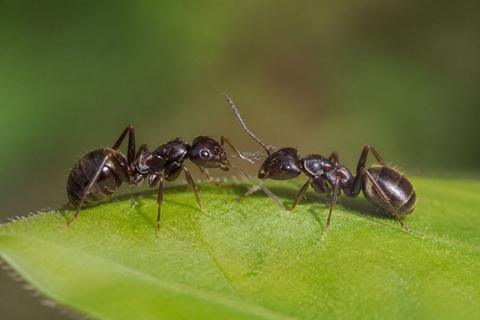 Anatomy & IdentificationRead article →How Ants Communicate: Glands, Trails, Queen Signals
How ants communicate comes down mostly to chemistry, not sound or sight. A colony of Formicidae runs on pheromones: chemical signals released from glands in the head, mouth, and ab
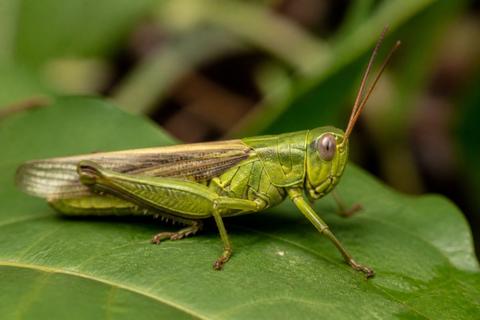 Anatomy & IdentificationRead article →The Role of Hemolymph in Insect Physiology: Open Circulation
The Role of Hemolymph in Insect Physiology starts with one fact that surprises most people: insects have no blood vessels carrying their circulatory fluid to and from tissues. Inst
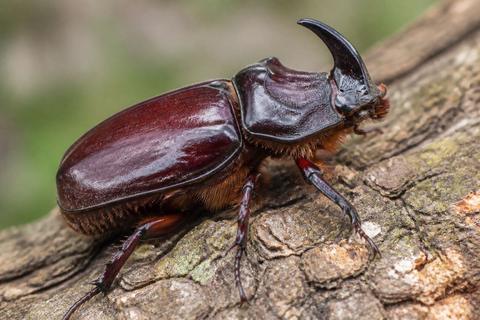 Anatomy & IdentificationRead article →Exploring the Exoskeleton: Chitin, Molting, and Defense
Exploring the exoskeleton starts with one material: chitin. This nitrogen-based polysaccharide, laid down in long fibers and bound with proteins, gives insects a hard outer shell i