The Circulatory System of Insects: Open, Not Closed
The circulatory system of insects moves hemolymph, not blood, through open body cavities instead of a network of sealed vessels. This open design means an insect's "blood" bathes its organs directly rather than staying confined to tubes, and it changes what the fluid can and cannot do compared to the vertebrate cardiovascular system.
Hemolymph Is Not Blood
In a closed circulatory system, blood stays inside vessels from the heart to the capillaries and back. Insects use an open system: hemolymph is pumped out of the heart into the body cavity, called the hemocoel, where it directly surrounds the gut, muscles, and other organs before draining back toward the heart.
About 90% of hemolymph by volume is plasma, a watery fluid that is usually clear but sometimes greenish or yellowish. The remaining 10% is made up of hemocytes, the blood cells responsible for clotting wounds and fighting infection. Hemolymph carries no hemoglobin and, with the exception of a few aquatic midge larvae, no red blood cells, so it cannot carry oxygen the way vertebrate blood does.
Plasma and Hemocytes
- Plasma: carries dissolved nutrients, hormones, and metabolic waste between organs.
- Hemocytes: patrol the hemolymph for wounds and invading microbes, triggering clotting and immune responses.
Oxygen reaches insect tissues through a completely separate network of air-filled tubes called tracheae, which branch down to the level of individual cells. This division of labor is why an insect can lose a surprising amount of hemolymph and keep breathing normally, as long as the tracheal system stays intact.
The Dorsal Vessel
The insect heart is a single muscular tube running along the top of the abdomen, called the dorsal vessel. In its abdominal section it is divided into chambers separated by one-way valves called ostia, which let hemolymph enter from the body cavity but not flow back out. Waves of contraction push the fluid forward, chamber by chamber.
Past the heart, the front portion of the dorsal vessel narrows into a simple, valveless tube called the aorta, which carries hemolymph forward and releases it near the brain. From there the fluid percolates backward through the body cavity, bathing the organs, until it re-enters the heart through the ostia and the cycle repeats.
What Hemolymph Actually Does
An open system moves fluid at much lower pressure than a closed one, but it still performs several distinct jobs.
Carrying Nutrients and Waste
Hemolymph picks up sugars, amino acids, and lipids absorbed across the gut wall and delivers them to tissues that need them. On the return trip it collects nitrogenous waste such as urea and amino acid byproducts. That waste diffuses into the Malpighian tubules, thread-like organs that precipitate the waste into uric acid and pass it to the hindgut for elimination.
Moving Heat
Because hemolymph flows past the flight muscles and through the body cavity, it also redistributes heat generated by muscle activity. Some larger insects, including bumblebees and sphinx moths, use this to warm the flight muscles above ambient temperature before takeoff on cool mornings.
Fighting Infection
Insects have no antibody-based adaptive immune system. Instead, hemocytes suspended in the hemolymph carry out phagocytosis, nodulation, and encapsulation: phagocytosis engulfs and digests bacteria and small invaders, while encapsulation walls off larger parasites, such as parasitoid wasp eggs, inside a hardened capsule. Antimicrobial peptides released into the plasma add a chemical layer of defense alongside these cellular responses.
Hydraulic Pressure
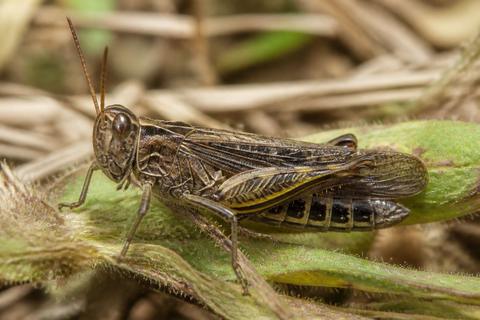
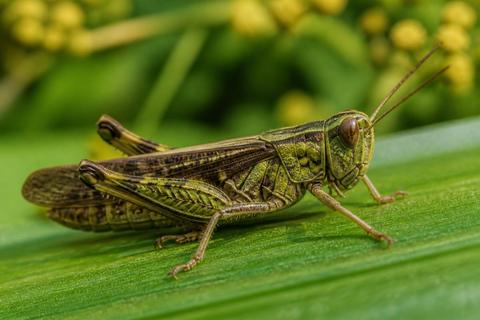
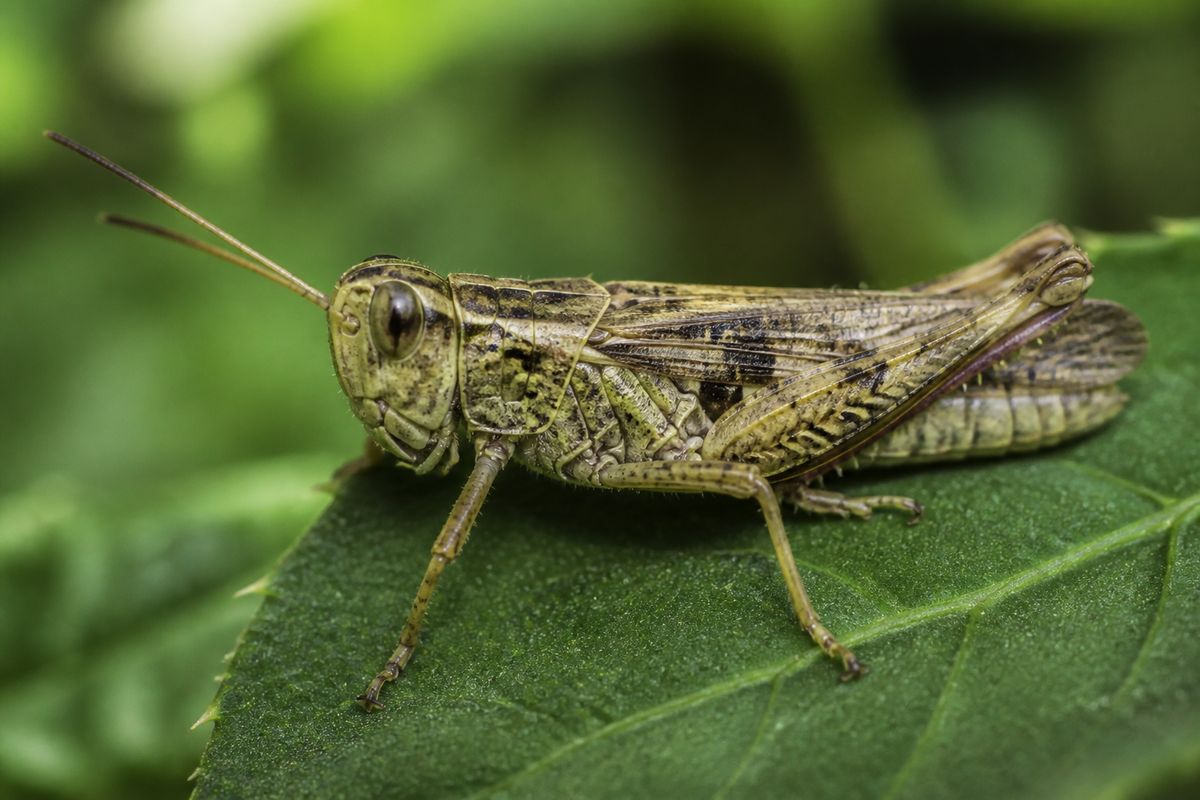
Hemolymph also works as a hydraulic fluid. Internal pressure generated by muscle contraction helps insects hatch from the egg, split and shed the old cuticle during molting, and expand the body and wings afterward while the new cuticle is still soft. Some insects use the same hydraulic pressure to extend legs that have too little muscle to do it any other way, such as the extensor muscles in a grasshopper's jumping leg.
Circulatory Adjustments Across Insect Groups
The basic open-system layout is shared across insects, but specific groups have modified it for their own needs.
Aquatic Larvae
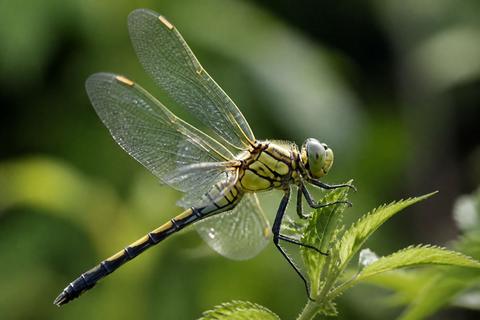
Dragonfly and damselfly naiads breathe through gills rather than spiracles, and their circulatory fluid moves oxygen picked up at the gill surface toward tissues alongside the tracheal system, a partial workaround for living underwater.
Social Insects
In ants, bees, and termites, hemolymph carries pheromones and hormones such as juvenile hormone between internal organs, which helps regulate caste development and reproductive status within a colony, on top of its normal nutrient-transport role.
Larger-Bodied Insects
Bigger insects, like large beetles and hawk moths, rely on accessory pulsatile organs, extra small pumps near the wing bases and legs, to keep hemolymph moving into the extremities where the main dorsal vessel's pressure alone would not reach efficiently.
Why It Matters Beyond Biology Class
Insect hemolymph is not just a textbook curiosity. It shapes how insects survive, and it connects directly to agriculture and medicine.
Pest Management
Some insecticides, including certain neonicotinoids, disrupt nerve signaling in ways that also impair hemocyte function and hemolymph clotting, which is one reason poisoned insects often show uncoordinated movement before they die.
Medical Research
Horseshoe crabs, distant marine relatives of insects within the arthropods, have hemolymph containing amebocytes that clot instantly around bacterial toxins; this reaction is the basis of the LAL test used to screen injectable drugs for contamination. Researchers studying insect hemocyte antimicrobial peptides are looking for similar leads against drug-resistant bacteria.
The Trade-Off That Works
An open circulatory system cannot generate the blood pressure or oxygen-delivery speed of a closed one, and it is part of why insects stay small. But paired with a separate tracheal respiratory system, it is cheap to build, easy to repair after injury, and more than sufficient for animals that get their oxygen another way. That combination, not a more familiar vertebrate-style heart and vessels, is a large part of why insects make up the majority of animal species on Earth.