Top 10 Facts About Hornets: Stings, Nests, and Colonies
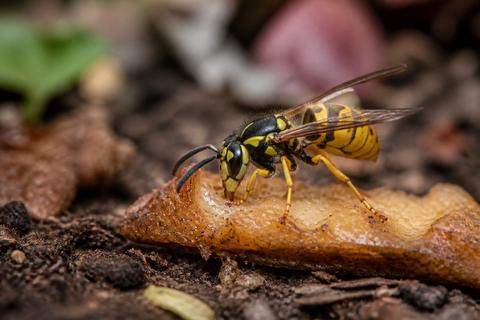
Top 10 Facts About Hornets starts with a correction: only one true hornet lives in the United States, and the insect most people call a "hornet" in their own backyard usually isn't one. That distinction, between Vespa hornets and their yellowjacket-relative look-alikes, explains most of what gets misreported about how these insects live and behave.
1. Only One True Hornet Lives in North America
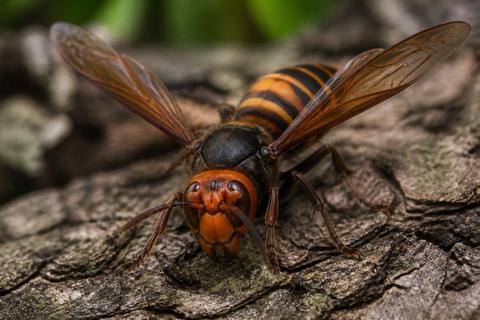
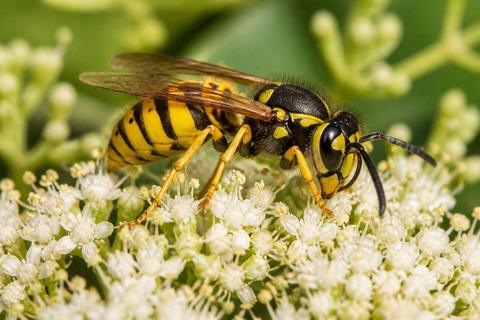
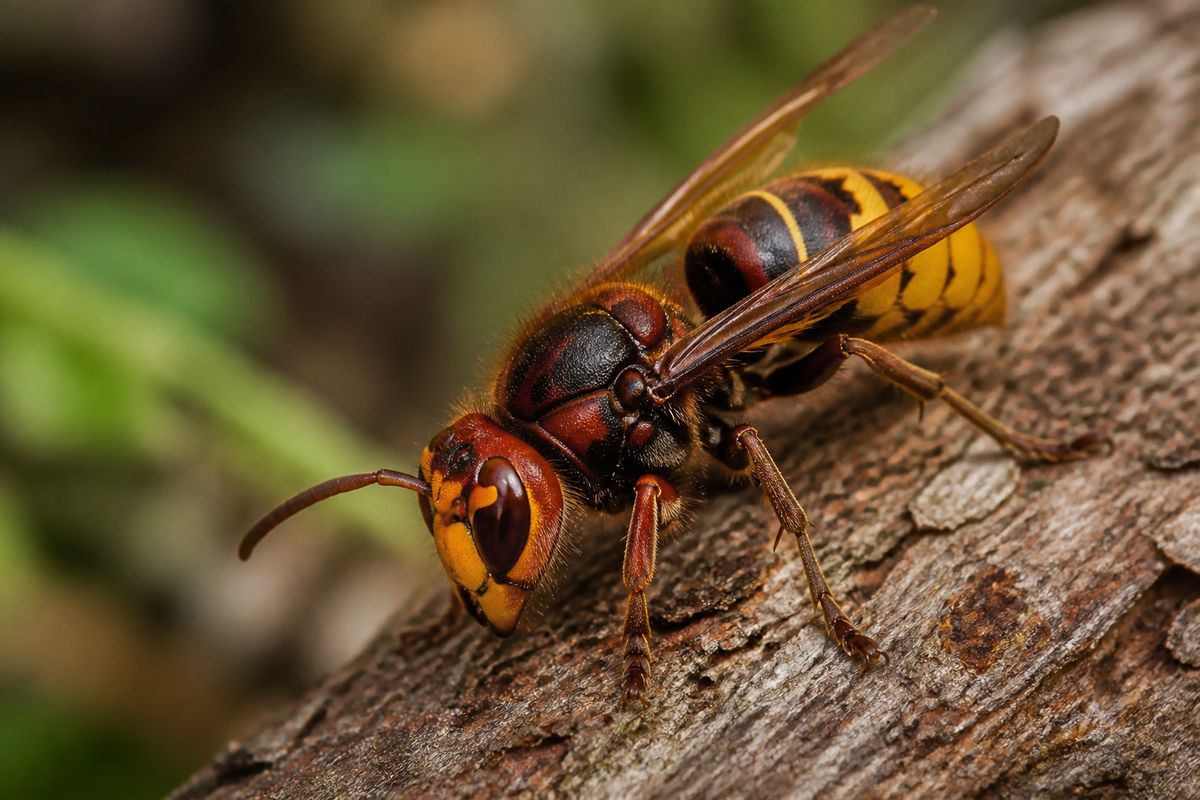
The European hornet (Vespa crabro) is the only true hornet established in the United States, introduced from Europe in the 1800s. The insect most Americans call a "bald-faced hornet" (Dolichovespula maculata) is actually a yellowjacket relative, not a member of the genus Vespa, despite the common name. Penn State Extension notes that European hornet workers reach up to an inch long, with queens slightly larger, and the head is red and yellow with a brown-and-yellow abdomen marked by tear-drop shapes.
2. They Sting Only When the Nest Is Threatened
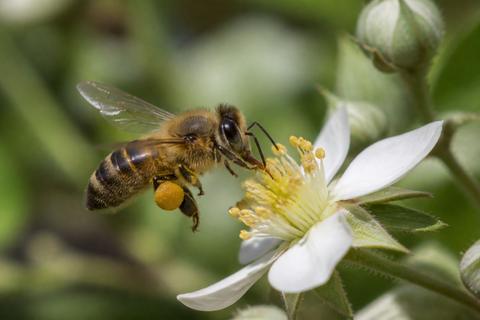
Hornets don't roam looking for a fight. Stings happen almost exclusively when a nest is bumped, sprayed, or vibrated, not from an insect passing through a yard. Unlike honey bees, European hornets have smooth stingers and can sting multiple times, since nothing lodges in the skin and tears loose the way a barbed honey bee stinger does.
3. They Hunt Garden Pests, Not Just Nectar
Adult hornets drink nectar and tree sap for their own energy, but they hunt caterpillars, flies, and other soft-bodied insects, chewing the prey into a paste that feeds the larvae back in the nest. A single colony removes a meaningful number of caterpillars and flies from a yard over a season, which is why some orchard growers leave an out-of-the-way nest alone rather than destroying it.
4. Nests Are Chewed Wood Pulp, Not Wax
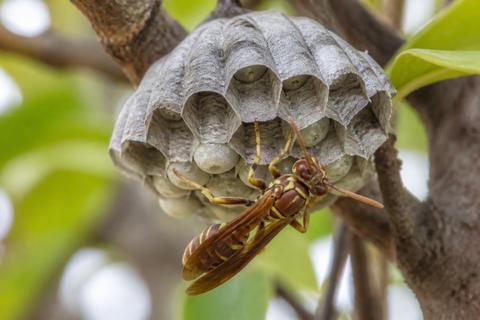
A hornet nest isn't built from wax like a beehive. The founding queen scrapes weathered wood fiber from fence posts, dead branches, or siding, chews it with saliva, and spreads the resulting pulp into papery layers. As Penn State Extension describes it, the queen collects cellulose from weathered and rotting wood, adds her saliva, and turns the paste into the papery nest material. Bald-faced hornets build enclosed, egg-shaped nests hanging in trees or under eaves; European hornets prefer hollow trees, wall voids, or barns, so their nests are often hidden from view entirely.
5. A Colony Runs on One Queen and Her Daughters
Every hornet nest starts with a single queen who founds it alone in spring, laying the eggs that become the first round of workers. Those workers, all sterile females, then take over foraging, nest expansion, and defense for the rest of the season. Males, called drones, appear only in late summer, exist solely to mate, and do no work in the nest.
6. Colonies Peak at a Few Hundred Workers
Bald-faced hornet colonies build up through summer and typically reach 100 to 400 workers by the time growth peaks, with unusually large Pennsylvania colonies topping 300 individuals, according to Penn State Extension. That's a fraction of the tens of thousands a honey bee hive can hold, one reason a disturbed hornet nest, while painful, is a smaller-scale threat than its reputation suggests.
7. A Stung Hornet Releases an Alarm Pheromone
When a hornet stings, it releases a chemical alarm signal that marks the target and recruits nearby workers to join the defense. This is why pest control technicians are trained to leave the area immediately after a single sting rather than swat at the insect: the pheromone, not the noise or motion, is what draws in more hornets.
8. Only Next Year's Queens Survive Winter
In late summer, a colony raises a batch of new queens and males instead of workers. After mating, the males die soon after. University of Maryland Extension confirms that the original queen, all of the workers, and all of the males die off, and the nest is never reused, while the newly mated queens overwinter alone in leaf litter, tree bark, or wall voids until spring.
9. Spring Nests Start From a Single Insect
Each surviving queen emerges alone in spring, picks a nest site, and builds and defends the first few dozen cells by herself before her first workers hatch and take over the labor. A nest spotted in April or May is almost always small enough to remove safely; the risk grows through the season as the worker population climbs toward its late-summer peak.
10. Most Reported "Attacks" Are Defensive, Not Predatory
Hornets don't chase people for food and don't target humans unless the nest itself is under attack. Most stings reported to pest control companies trace back to lawn equipment, ladders, or hands getting within a few feet of an unnoticed nest opening. Giving an active nest a wide, permanent berth, rather than approaching to inspect the hornets up close, resolves nearly all of these encounters without a sting.
Living With Hornets Instead of Fearing Them
A hornet nest away from doorways, decks, or foot traffic is doing pest control on caterpillars and flies for free. The two species found in the US, the true European hornet and the yellowjacket-relative bald-faced hornet, both follow the same one-queen, one-season life cycle, so any nest left alone in September is already a few weeks from dying out on its own.