What Are the Characteristics of Hornets? Size and Sting
What are the characteristics of hornets? Size, color, and sting behavior are the three traits people notice first, and they vary a lot by species. In North America the two you're most likely to see are the bald-faced hornet and the European hornet, while the Asian giant hornet (now officially called the northern giant hornet) gets attention for its size alone.
Size
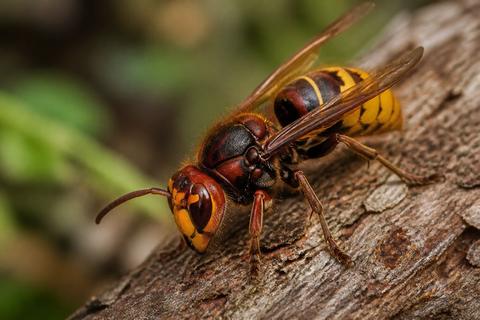
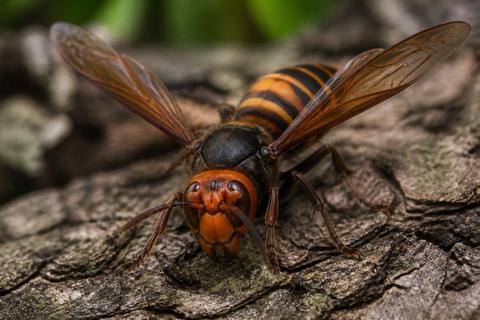
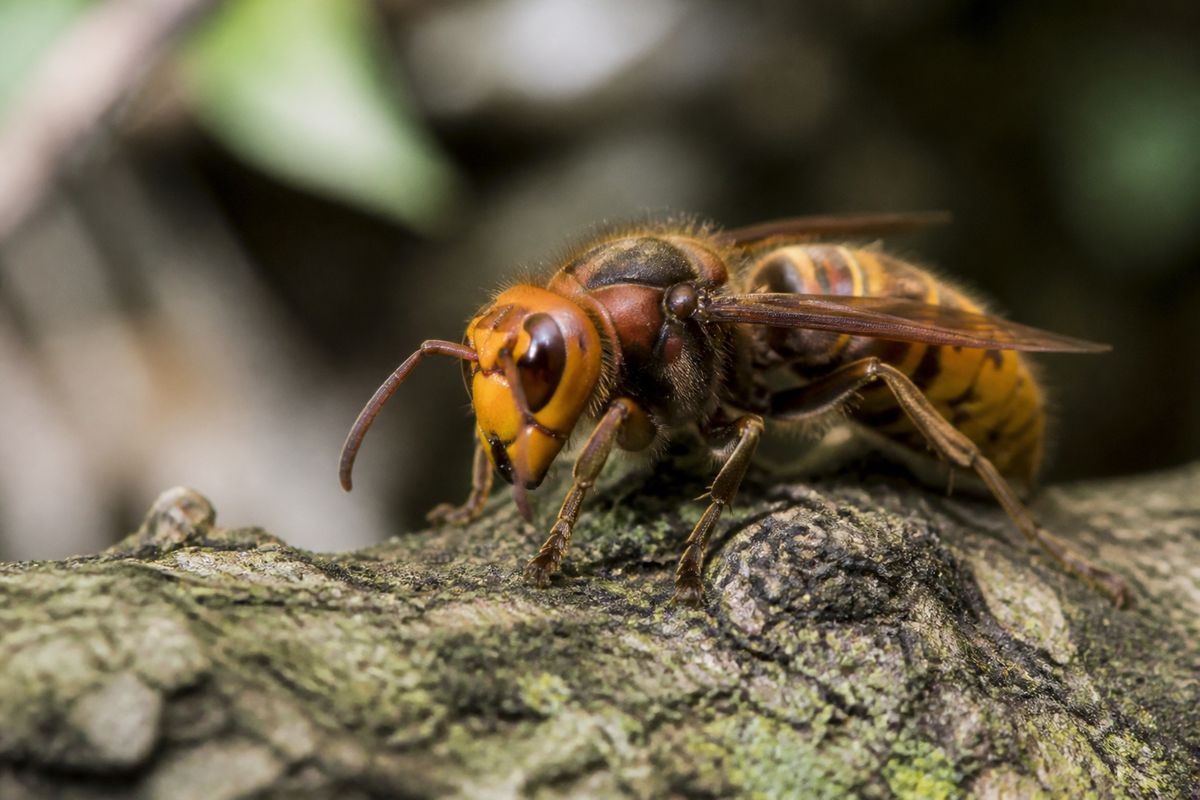
Hornets run larger than yellowjackets and most paper wasps, but the range within the group is wide. The bald-faced hornet (Dolichovespula maculata) is technically a yellowjacket relative, not a true hornet, and its workers and queens measure 13 to 20 millimeters long, with the queen usually the biggest individual in the colony. The European hornet (Vespa crabro), the only true hornet established in the eastern United States, is about 1 inch (2.5 cm) long, noticeably stouter than a yellowjacket. At the far end of the scale, the northern giant hornet (Vespa mandarinia), the species behind the "murder hornet" headlines in 2020, has workers that run just under 2 inches (5 cm), with queens close to the same length.
Life cycle
All of these species go through complete metamorphosis: egg, larva, pupa, adult. A queen starts a nest alone in spring, raises the first batch of workers herself, then spends the rest of the season laying eggs while workers take over foraging and nest-building. Colonies peak in size in late summer before dying off with the first hard frost; only newly mated queens survive the winter.
Color
Color is often the fastest way to tell these species apart in the yard.
- Bald-faced hornet: black body with ivory-white markings concentrated on the face, and additional white patches on the thorax and abdomen.
- European hornet: reddish-brown head and thorax with yellow abdominal segments marked in brown, and reddish-orange wings.
- Northern giant hornet: a matte orange-yellow head with a banded brown-and-yellow abdomen; the final abdominal segment is solid yellow.
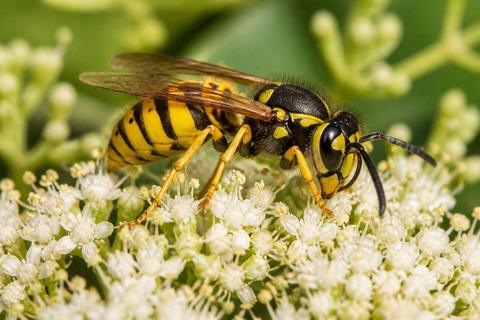
These patterns aren't decoration. High-contrast banding is a classic warning signal that tells birds and other predators a sting is coming, and it also lets workers of the same species recognize nestmates at the entrance.
Nest Building
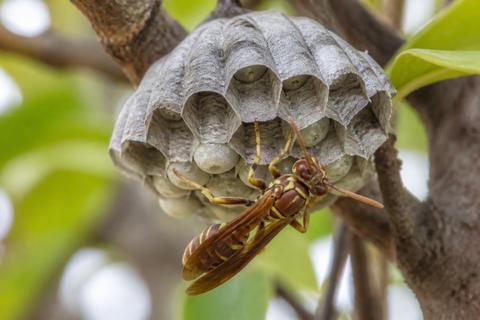
Hornets build paper nests from wood fiber. A queen scrapes cellulose off weathered wood and fence posts, chews it with saliva into a pulp, and layers it into gray, papery combs. Bald-faced hornet nests can grow to roughly 24 inches tall and 18 inches across by late summer, usually hanging from a tree branch, shrub, or the eave of a building. European hornets nest in cavities instead, most often hollow trees, but they'll readily move into wall voids, sheds, or attics.
Social Structure
A mature colony has three castes: the queen, who lays essentially all the eggs; sterile female workers, who forage, build comb, and defend the nest; and males (drones), produced late in the season for the sole purpose of mating with new queens. Colony size ranges from a few dozen workers in a young European hornet nest to several hundred in a large bald-faced hornet nest by September.
Foraging and Diet
Adult hornets feed on nectar, tree sap, and ripe fruit, but the workers hunt live prey, mainly other insects such as caterpillars, flies, and yellowjackets, to feed the larvae back in the nest. A single colony can remove a substantial number of pest insects from a yard or garden over a season, which is the main reason many extension services recommend leaving an out-of-the-way nest alone rather than treating it.
Defense and Stings
Hornets aren't looking for a fight away from the nest, but they defend it aggressively once they sense vibration or movement nearby. Their stinger is smooth rather than barbed, so unlike a honey bee, a hornet doesn't lose its stinger or die after using it, and the same individual can sting repeatedly in one encounter. The European hornet in particular has a large, stout stinger and a large venom sac, which is part of why its sting has a reputation for being especially painful even though it isn't more dangerous than other wasp stings for most people.
Communication
Workers rely heavily on pheromones: an alarm pheromone released near a threatened nest recruits nearby workers to help defend it, which is why disturbing one hornet near a nest can quickly draw several more. Chemical trail-marking and short flight patterns also help workers relay the location of a good food source back to nestmates.
Living With Hornets
Most encounters end without incident if the nest is left undisturbed, since hornets have no interest in stinging anything they don't perceive as a threat. The exceptions are nests built low in a doorway, shed, or high-traffic part of a yard, where accidental contact becomes likely; those are the cases worth calling a pest control professional for rather than handling directly.