
Behavior & Pest Control
Why insects do what they do, from courtship and communication to foraging and defense, plus practical, evidence-based ways to manage the ones that become pests. (7 guides.)
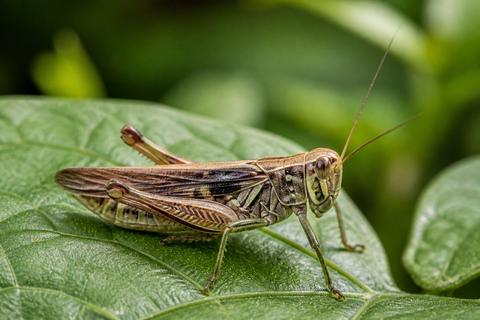 Behavior & Pest ControlRead article →How Temperature Affects Insect Activity Levels in Every Season
How temperature affects insect activity levels comes down to one basic fact: insects are ectotherms, so their body temperature tracks the air around them instead of staying fixed l
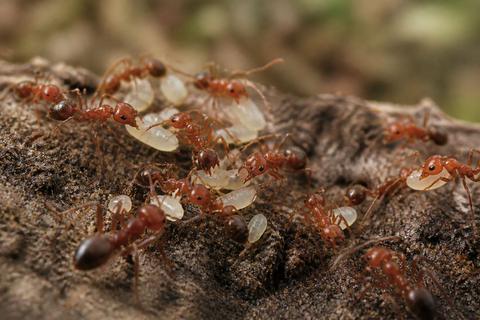 Behavior & Pest ControlRead article →Understanding Ant Foraging Behavior: Trails, Recruits, Memory
Understanding ant foraging behavior starts with a simple problem: a colony of Formicidae has to turn scattered, unpredictable food into a steady supply for thousands of mouths, usi
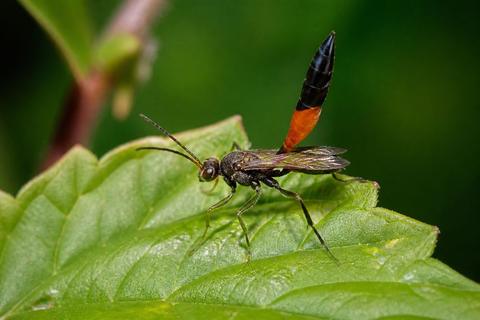 Behavior & Pest ControlRead article →The Importance of Territorial Behavior in Insects
The importance of territorial behavior in insects comes down to three things: food, mates, and safety. A wasp guarding a rotting log, a male cricket chirping from a burrow entrance
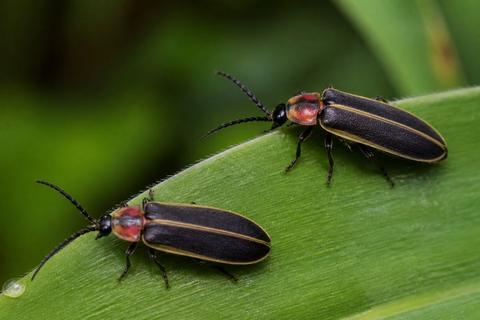 Behavior & Pest ControlRead article →Exploring the Courtship Behaviors of Fireflies: Flash Signals
Exploring the Courtship Behaviors of Fireflies means starting with a single organ: the lantern, a light-producing structure on the underside of the abdomen. Roughly 2,000 firefly s
 Behavior & Pest ControlRead article →DIY Pest Control: Diatomaceous Earth and Sealed Entry Points
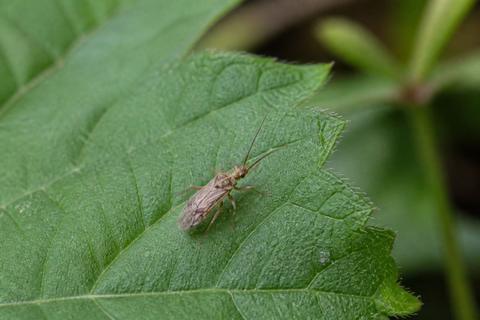
DIY pest control works best when you match the method to the pest instead of spraying whatever is under the sink. Ants, cockroaches, rodents, and bed bugs each respond to different
 Behavior & Pest ControlRead article →The Evolution of Parental Care in Insect Species
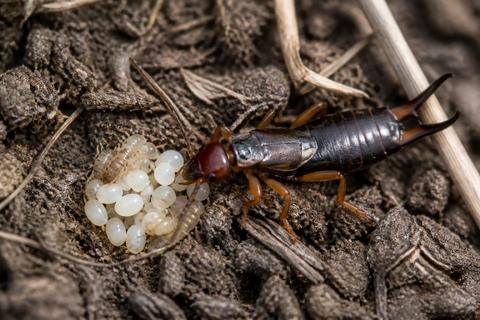
The evolution of parental care in insect species runs from total neglect, most insects lay eggs and leave, to elaborate biparental partnerships that rival birds and mammals. Over a
 Behavior & Pest ControlRead article →The Fascinating Grooming Behaviors of Social Wasps
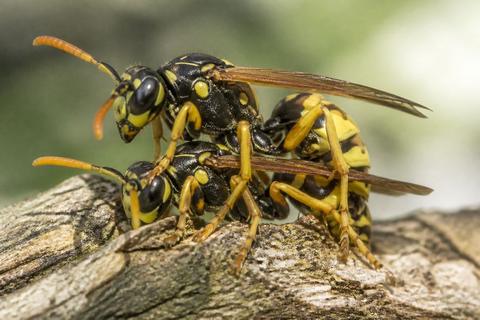
The fascinating grooming behaviors of social wasps go far beyond simple cleaning. In colonies of Vespula germanica (the German yellowjacket) and Polistes dominula (the European pap