How to Attract Dung Beetles to Your Garden With a Manure Zone
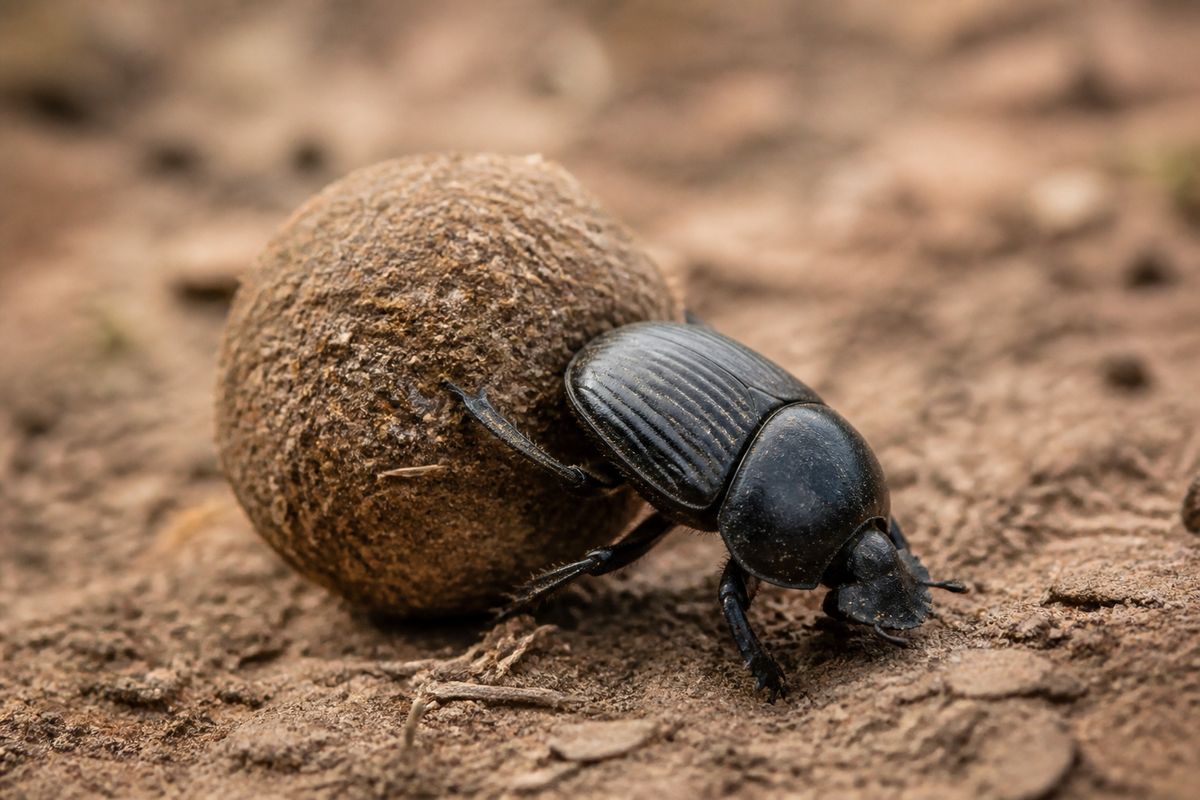
How to attract dung beetles to your garden comes down to three things: a food source, undisturbed soil, and no pesticides. Dung beetles (family Scarabaeidae) roll, bury, or tunnel through animal droppings, and that activity mixes nitrogen back into the soil, breaks up compaction, and strips away the breeding habitat that flies and internal parasites need. Get the setup right and beetles will find a yard on their own within a season or two.
What Dung Beetles Actually Do
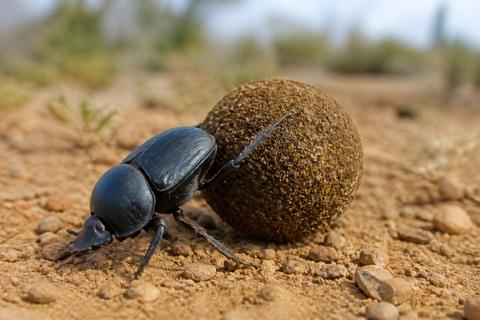
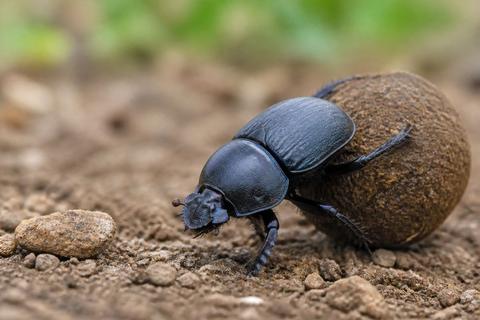
Dung beetles fall into three functional groups: rollers, which shape dung into a ball and roll it away to bury; tunnelers, which dig a nest chamber directly beneath a dung pat and drag food down into it; and dwellers, which live inside the pat itself without moving it. Tunnelers and rollers can break a fresh pat down within hours to a couple of days, while dweller species take a few weeks, and that burial process starves out horn fly and face fly larvae, which develop inside intact manure.
Pick a Spot That Isn't Manicured
Leave One Corner Wild
Dung beetles need shade, some soil moisture, and loose ground they can dig into, so a mowed, compacted lawn won't hold them. Let native grasses and wildflowers grow in one section of the yard instead of turf, and skip pesticides and herbicides there entirely, since insecticide residue kills beetle larvae along with the pests it's aimed at.
Set Up a Dedicated Manure Zone
Pick one out-of-the-way spot for manure rather than scattering it across the yard. A pile that's too spread out won't concentrate enough food to hold a population, and it can draw flies to areas you don't want them. A rotting log or a brush pile nearby gives beetles cover between feedings.
Give Them Something to Eat
Keep Manure On-Site
If you keep chickens, rabbits, or other animals, leave some of their droppings in the designated zone instead of removing all of it. This is the single biggest lever: no dung, no dung beetles, regardless of how good the rest of the habitat is.
Run a Compost Bin
An active compost pile with a mix of carbon material (dry leaves, straw) and nitrogen material (kitchen scraps, manure) mimics the moisture and organic density of a dung pat and can pull beetles in even without livestock nearby. Keep it damp, not soggy.
Attract the Animals That Provide the Food
Bird feeders, birdbaths, and brush cover bring in the birds and small mammals whose droppings feed beetles indirectly. It's a slower path than keeping livestock, but it works in a suburban yard where manure piles aren't practical.
Protect the Soil They Tunnel Into
Skip Chemical Dewormers and Pesticides Near the Zone
Ivermectin and other avermectin-based dewormers pass through an animal's gut largely intact and can remain active in manure for weeks after treatment. Ivermectin has been shown to be toxic to dung beetle larvae, and conventionally managed livestock systems using it saw a 66% drop in dung beetle occurrence compared to systems that avoided it. If you treat pets or livestock with these products, keep their manure out of the dung beetle zone until it's fully broken down.
Stop Tilling the Area
Beetles dig nest tunnels below the surface, with the exact depth depending on the species, so repeated digging or tilling collapses those chambers before larvae mature. Mulch the zone instead of turning it over, and let organic matter break down on the surface.
Match Plants to What's Already Local
Favor Native Species
Native grasses and wildflowers need less water and fertilizer than ornamentals and support the wider insect and small-mammal community that generates droppings in the first place. Flowering natives also feed pollinators, which isn't a direct dung beetle benefit but keeps the zone biologically active.
Know What's Likely in Your Area
Species composition varies a lot by region and climate, and not every dung beetle in North America is a roller. Tunneling and dwelling species are more common in many parts of the US, so don't expect to see beetles rolling visible balls across open ground even in a well-set-up yard. A local extension office or native bee and insect society can usually tell you which species are documented near you.
Check Whether It's Working
Look for the Signs
A working dung beetle zone shows small burrow holes near where manure was placed, and a fresh dung pat that disappears or visibly shrinks within a day or two instead of sitting intact for a week. If nothing changes after a full season, the most common culprits are pesticide drift from elsewhere in the yard, manure that's too spread out, or soil that's being disturbed too often.
Adjust Before You Give Up
Move the manure zone to a shadier, less-trafficked spot, add mulch to hold moisture, and confirm no one nearby is using ivermectin-treated animal waste in that area. Dung beetle colonization is gradual, not immediate, so give any change a few weeks before judging it.
A dung beetle zone takes up less space than most people expect, and the payoff is soil that drains and aerates itself without a shovel. Once beetles establish, they keep working the same ground season after season with no maintenance beyond leaving them alone.