What Do Click Beetles Eat? Wireworms Eat Roots and Seeds
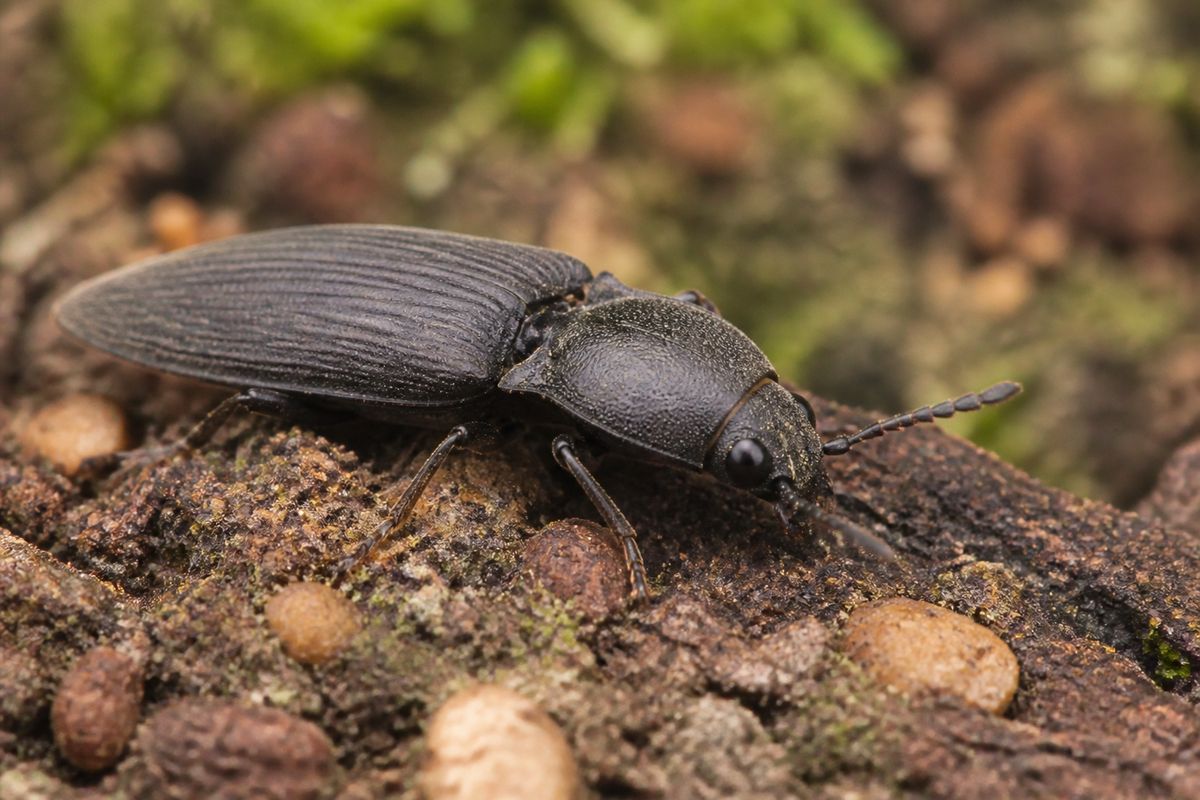
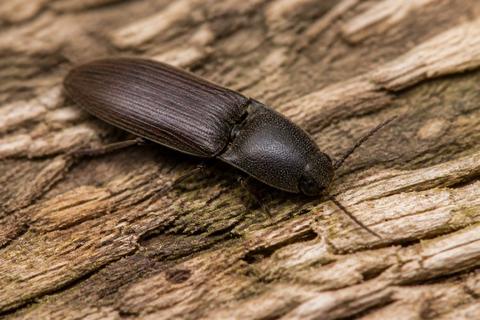
What do click beetles eat depends entirely on which life stage you're looking at. Adult click beetles (family Elateridae) eat very little, nibbling nectar, pollen, and soft plant tissue, while their larvae, called wireworms, spend one to six years underground chewing through seeds, roots, and tubers.
Adults Barely Eat
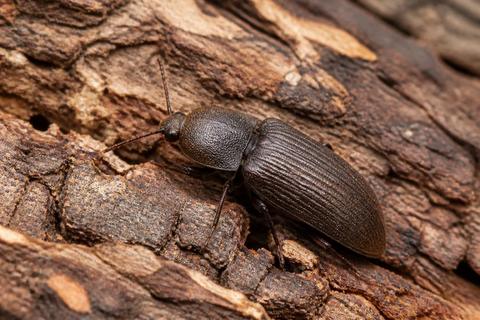
Most adult click beetles are small, typically under 2 centimeters (about three-quarters of an inch) long, though some of the larger species, such as the eyed click beetle, can reach nearly 2 inches. Once they emerge from the soil, feeding stops being a priority. When adults do eat, it's plant material: nectar, plant juices, foliage, and pollen from flowers.
Plant Feeders
Adults that do feed favor soft tissue over tough foliage:
- Nectar and pollen: Many species visit flowers briefly, picking up pollen along the way without doing real damage to the plant.
- Young leaves: Soft new growth is easier on their mandibles than mature foliage.
- Plant juices: Some adults pierce or scrape stems and leaves to get at sap rather than chewing solid tissue.
The Rare Predators
A handful of species stray from plants entirely. Adult click beetles can prey on aphids and other soft-bodied insects when the opportunity presents itself, though this is the exception rather than the rule for the family.
Wireworms: The Larvae That Actually Do the Eating
The larvae, known as wireworms, look nothing like the adults: thin, hard-shelled, yellow-to-brown cylinders that live entirely underground. This is where the real feeding damage happens, because wireworms feed on seeds and developing seedlings, as well as the roots and underground stems of older plants, and can tunnel directly into tubers.
What Wireworms Target
- Seeds and seedlings: Wireworms hollow out planted seeds before they can germinate, which can wipe out a row before it ever sprouts.
- Roots and underground stems: Older plants lose water and nutrient uptake when wireworms chew through root tissue.
- Tubers: Potatoes are a favorite target; tunneling creates entry points for rot and disease.
Not every wireworm sticks to plant tissue. Some species instead prey on the larvae of other beetles, including longhorned beetle grubs, or consume decaying wood and organic matter in rotting logs rather than living roots.
Years Underground
Wireworms don't rush toward adulthood. Depending on the species, the larval stage can last from one to six years to complete a single generation, with some species feeding for up to six years before pupating. That long larval window is exactly why a wireworm problem in a field can persist across several growing seasons even after adults stop being visible.
Why Farmers Watch for Wireworms, Not Adults
The adult click beetle causes essentially no crop damage. It's the wireworm stage that growers manage, because even a modest population of larvae per field can thin a stand of corn, wheat, or potatoes before it establishes. Crop rotation, delayed planting to let soil warm past the larvae's preferred temperature range, and targeted insecticides are the standard responses, chosen to spare pollinators and other beneficial insects rather than blanket-treating the field.
How Click Beetles Find Food
Both stages rely on chewing mandibles rather than piercing mouthparts. Wireworms track carbon dioxide and moisture gradients in soil to locate roots and germinating seeds, which is why they cluster around freshly planted rows. Adults use compound eyes and antennae tuned to chemical cues from flowers and foliage, though since many adults eat little to nothing, sensory feeding cues matter far less to them than to the larvae.
The Clicking Mechanism Isn't About Feeding
It's worth separating diet from the beetle's namesake trick. The clicking snap comes from a hinge-like latch on the underside of the thorax that releases stored energy to flip the beetle into the air, a defense and righting maneuver, not a feeding behavior. The mechanism produces accelerations reported at several hundred times the pull of gravity, useful for startling a predator or flipping upright, but irrelevant to what the beetle actually eats.
Ecological Role Beyond the Damage
Wireworms that feed on decaying wood and organic matter, rather than living roots, contribute to breaking down forest litter and cycling nutrients back into soil. Adult click beetles that visit flowers move small amounts of pollen between blooms. Neither role rivals a bee or an earthworm in ecological importance, but both stages participate in the same soil and plant systems that farmers are trying to protect from the destructive minority of wireworm species.