How Agricultural Practices Shape Insect Habitats in Farmlands
How agricultural practices shape insect habitats in farmlands depends less on whether a farm uses chemicals at all and more on how much structural diversity survives in the field. A hedgerow, a strip of flowering cover crop, or a three-year rotation can mean the difference between a field that supports pollinators and predatory beetles and one that supports almost nothing between harvests. The choices farmers make about what to plant, when to till, and how to manage pests ripple directly through the insect populations living in and around the crop.
What Insects Actually Do in a Working Farm
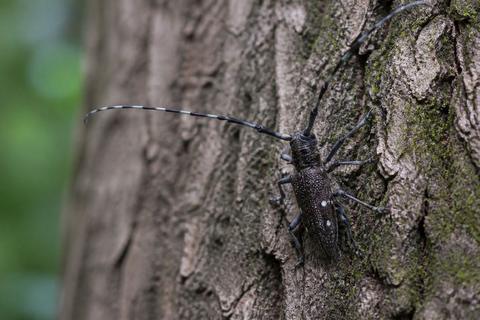
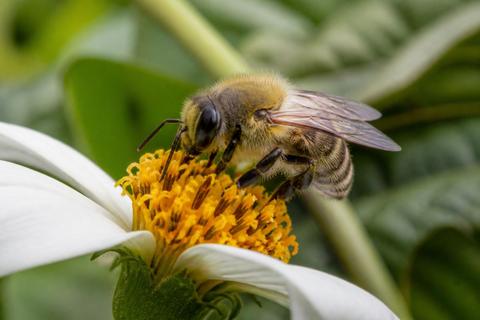
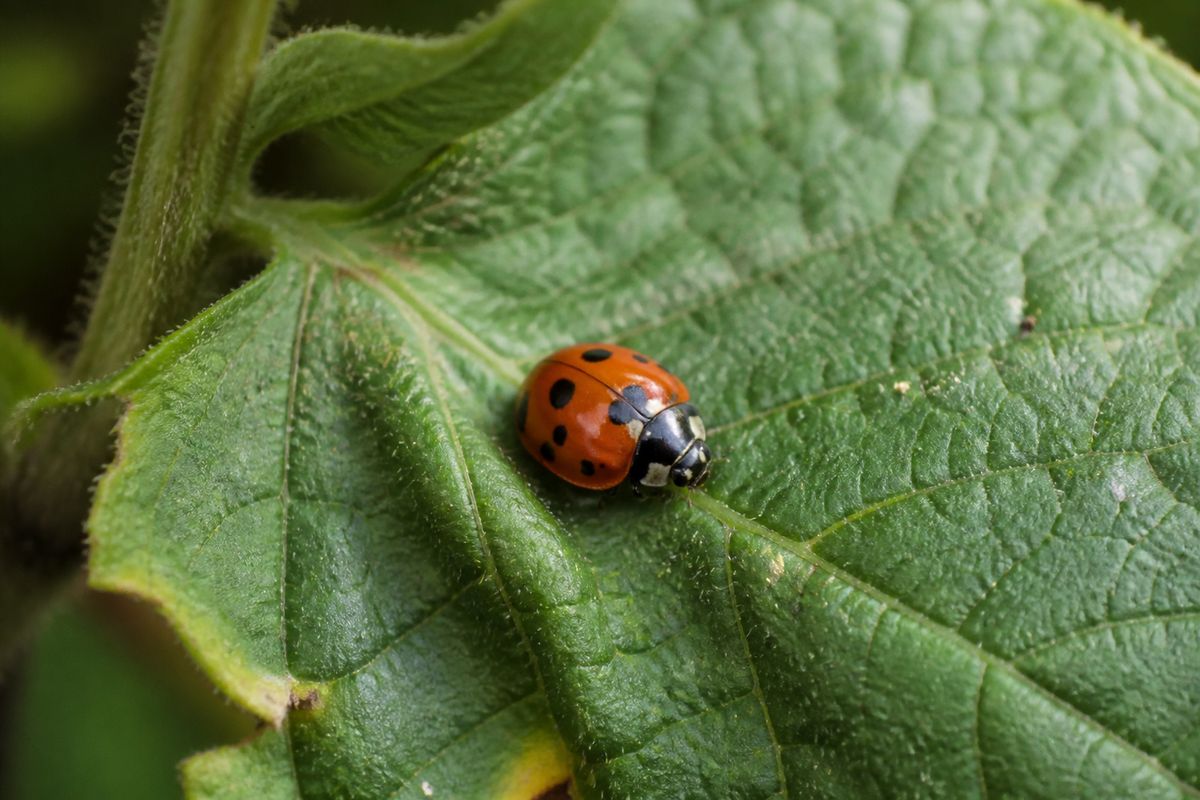
Bees, syrphid flies, and butterflies pollinate crops that need it, including most fruits, squash, and oilseed rape. Predatory insects such as lady beetles (Coccinellidae) and lacewings (Chrysopidae) eat aphids and other soft-bodied pests, which is why a single lady beetle larva can consume dozens of aphids a day during its development. Ground beetles (Carabidae) and dung beetles break down crop residue and animal waste, cycling nutrients back into the soil. Remove the habitat these insects need to overwinter or reproduce, and the free labor they provide disappears with them.
Traditional Rotation and Polyculture
Before large-scale mechanization, most farms ran on rotation and mixed planting rather than a single crop repeated year after year. That structural variety happened to suit insects even though it wasn't designed for them.
Crop Rotation
Rotating crops such as corn with soybeans or clover breaks the life cycle of pests that specialize on one plant family, so a pest that builds up in a corn field has nothing to eat the following season. Legumes in the rotation, like clover and vetch, fix atmospheric nitrogen through a partnership with Rhizobium bacteria in their root nodules, cutting the need for synthetic fertilizer while also flowering long enough to feed bees and other pollinators before the next crop goes in.
Intercropping
Intercropping puts two or more crops in the same field at the same time, for example beans grown between rows of corn. The different flowering times and plant heights create several niches instead of one, so a field can host both flower-visiting pollinators and the ground-dwelling predators that shelter in the lower canopy.
Polyculture
Polyculture pushes that idea further by growing many species together in a way that resembles a natural plant community rather than a single-species stand. Insects that need one plant for food and a different plant for shelter can find both within the same few square meters instead of having to cross bare ground to get it.
What Changed with Industrial-Scale Farming
Mechanization and cheap synthetic inputs made it possible to farm thousands of acres of a single crop, which raised yields per labor-hour but stripped out the habitat variety insects depend on.
Monoculture
A single crop planted across a large block of land means one bloom period, one root structure, and one set of pests, which is fewer niches for anything else to use. Fewer niches means fewer natural predators are around when a pest outbreak starts, so farmers reach for pesticides more often, which further reduces the beneficial insects that might have kept the outbreak in check without chemical help.
Pesticide Use, Including Neonicotinoids
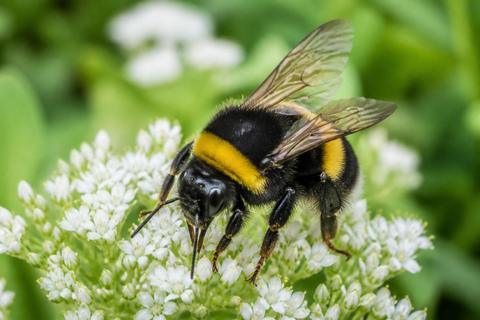
Pesticides aimed at a specific pest routinely reach non-target insects through drift, contaminated pollen, or residue in nectar. Neonicotinoids, a class of insecticides applied as seed coatings or sprays, are absorbed into the plant's tissue, including the pollen and nectar that pollinators collect. A 2020 study found that bumblebees exposed to a field-relevant concentration of imidacloprid (10 micrograms per liter) showed reduced foraging activity and disrupted circadian rhythms, with treated bees sleeping more during the day and more active at night, exactly when flowers aren't open. That kind of behavioral disruption compounds across a season and can reduce a colony's ability to gather enough food to reproduce.
Land Clearing and Fragmentation
Clearing woodlots, hedgerows, and field margins for more planted acreage breaks a once-continuous landscape into isolated patches. Insects with limited flight range, such as many ground beetles and some solitary bees, can end up cut off from other populations of their own species. Over enough generations, that isolation reduces gene flow between patches, which lowers genetic diversity and leaves the isolated population less able to cope with drought, disease, or a hard winter.
Farming Practices That Rebuild Habitat
None of this is irreversible. A growing share of farms are adopting practices that restore some of the structural complexity insects need, without abandoning the yields modern agriculture depends on.
Integrated Pest Management
Integrated Pest Management (IPM) uses pest monitoring, thresholds, and biological control before reaching for a spray. Releasing or conserving lady beetles to manage aphids is a standard IPM tactic; because it targets a specific pest with a specific predator, it leaves other insects in the field largely undisturbed. IPM doesn't eliminate pesticide use, but it cuts the frequency and volume, which matters most for pollinators that are sensitive to repeated low-dose exposure.
Organic Farming
A comparative study of organic and conventional cereal fields found roughly six times more pollinator species (31 species recorded on organic fields versus 5 on conventional fields) and pollinator abundance more than one hundred times higher on the organic fields, while cereal aphid abundance was five times lower and predator abundance three times higher. Hedgerows and flower strips, common on organic operations, supply the nectar and overwintering sites that a clean-tilled conventional field lacks, and the absence of synthetic pesticide residue means fewer sublethal effects on the insects that do show up.
Agroforestry
Agroforestry mixes trees or shrubs into or around cropland, whether as windbreaks, alley crops, or silvopasture. The added canopy layer and leaf litter create habitat that a flat monoculture field can't offer, from bark crevices for overwintering beetles to shaded understory for species that can't tolerate full sun. The trees also produce a secondary yield, fruit, nuts, or timber, so the habitat gain doesn't come at the cost of the farm's income.
Balancing Yield and Habitat
Agricultural practices set the terms insects live under, and the difference between a field that supports pollinators and predators and one that doesn't comes down to structural variety: multiple plant species, staggered bloom times, uncultivated margins, and a lighter pesticide load. Rotation, intercropping, IPM, organic management, and agroforestry each restore a piece of that variety while keeping the farm productive. The tradeoffs are real, but the research on organic fields and on neonicotinoid exposure both point the same direction: habitat structure and chemical load are the two levers that matter most for insect populations on working farmland.