The Interdependence of Insects and Ecosystem Health: Dung Beetles
The Interdependence of Insects and Ecosystem Health runs in both directions: insects prop up the systems around them, and those systems determine whether insect populations survive. Roughly a million insect species have been formally described, with estimates of several million more undocumented, and their combined activity touches pollination, decomposition, soil structure, and the food web all at once.
How Insects Prop Up Ecosystems
Insects run several ecological processes that most other animal groups cannot replace at scale.
Pollination
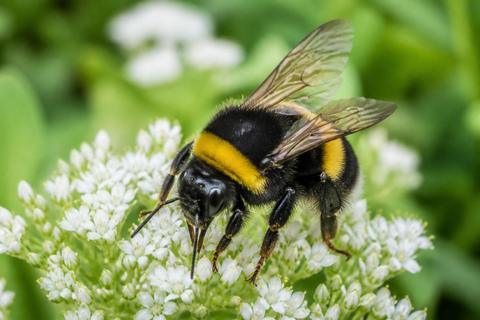
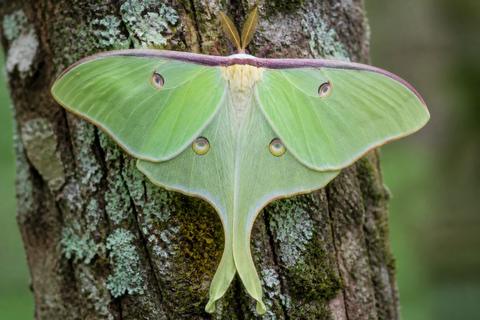
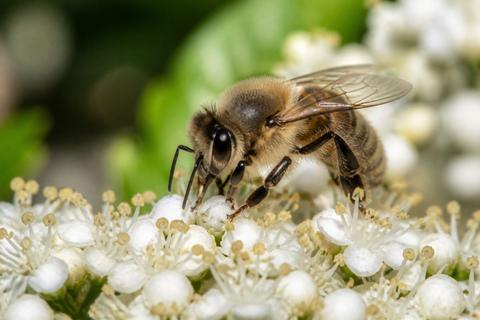
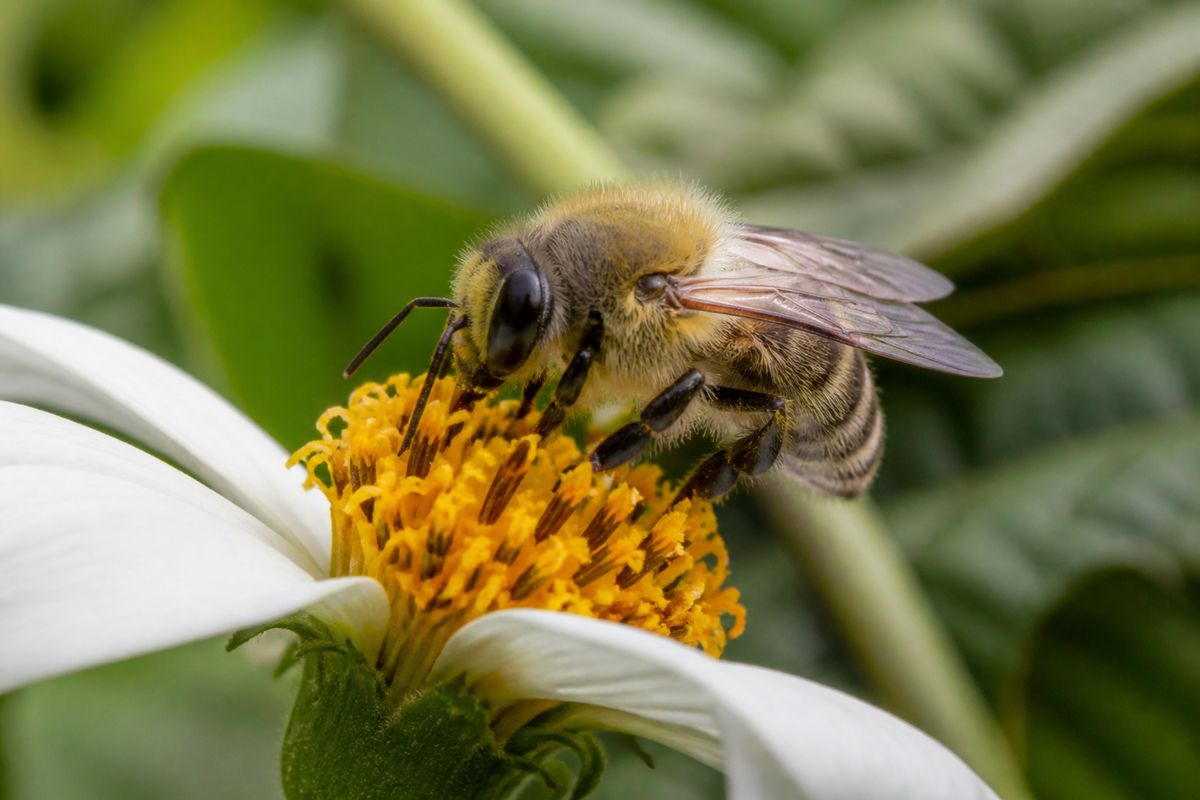
Bees, butterflies, moths, and beetles move pollen between flowers as they forage, and roughly 80% of the 1,400 crop plants grown worldwide for food and industrial products require pollination by animals, most of it insects. Without that transfer, crops like apples, almonds, and squash set little to no fruit.
Decomposition
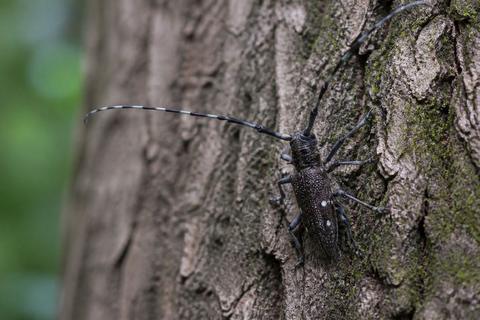
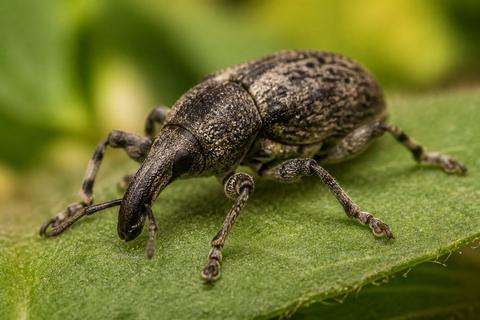
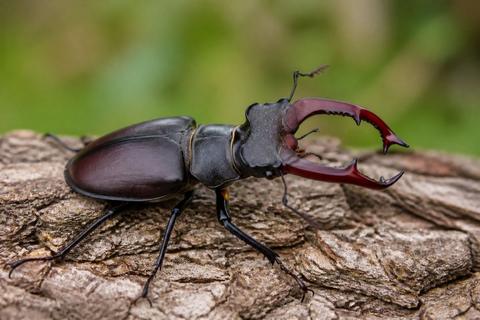
Carrion beetles, flies, and dung beetles break down dead plant and animal matter and animal waste, returning nitrogen and other nutrients to the soil. Dung beetles specifically bury and mix nitrogen-rich manure into the ground, which keeps that nitrogen in the soil rather than letting it volatilize into the air, and their tunnels let air and water reach the buried material so microbes can finish the job faster.
Soil Structure
Ants and burrowing beetles dig channels that let air and water move through soil that would otherwise compact. Those channels support the microbial communities that break down organic matter and cycle nutrients, which is part of why soil under ant colonies tends to hold more moisture and support denser root growth nearby.
Food Web Support
Frogs, songbirds, bats, and small mammals feed heavily on insects, especially during breeding season when protein demand is highest, since most songbirds rear their chicks almost entirely on soft-bodied insects like caterpillars rather than on seeds. Remove the insect base and those populations decline within a season or two, not decades.
Biodiversity Indicators
Because many insect species tolerate only a narrow range of temperature, moisture, or water quality, entomologists use them as early-warning signals. A drop in mayfly or caddisfly larvae in a stream shows up before other signs of pollution because those larvae need clean, oxygen-rich water to survive.
How Ecosystem Conditions Shape Insect Populations
The relationship runs the other way too: what happens to the habitat determines which insects can live there and how many.
Habitat Loss
Forests, wetlands, and grasslands each support insect communities adapted to that specific environment. Clearing land for agriculture or development removes host plants, nesting sites, and overwintering shelter in one step, and species with narrow habitat requirements cannot relocate fast enough to survive it.
Temperature and Timing
Insects are ectotherms, meaning their body temperature and development speed track the surrounding air rather than an internal thermostat. Warmer springs push many species to emerge earlier, and when that shift outpaces the flowering time of the plants they pollinate or the hatch time of the prey they eat, the timing mismatch can cut reproduction even where habitat is otherwise intact.
Pesticides
Neonicotinoid insecticides are absorbed into plant tissue, including pollen and nectar, which exposes bees and other visiting insects even when the chemical was never sprayed directly on them. University of Maryland Extension lists neonicotinoids as a primary threat to pollinators and other beneficial insects, with sublethal exposure impairing foraging, navigation, and reproduction rather than always killing outright.
What Insect Decline Actually Costs
Sustained drops in insect numbers, sometimes summarized as an "insect apocalypse," carry consequences that show up in agriculture and wild ecosystems alike.
Pollination Shortfalls
Fewer pollinators means lower fruit and seed set in both crops and wild plants. Growers of pollinator-dependent crops have responded by trucking in managed honey bee colonies for the bloom window, an added cost that did not exist when wild pollinator populations were doing the job for free.
Soil Decline
With fewer dung beetles, detritivores, and soil-dwelling insects at work, organic matter breaks down more slowly and nutrients stay locked up instead of cycling back to plants. Farmers compensate with synthetic fertilizer, which addresses the symptom without rebuilding the soil biology that made fertilizer inputs lower to begin with.
Cascading Losses
Plants that lose their pollinators produce fewer seeds, which thins out the next generation of that plant, which then reduces food and shelter for the herbivores and seed-eaters that depended on it. Each link in that chain can take years to show up in population counts, which is part of why insect decline is easy to miss until it is well underway.
Reversing the Trend
None of these losses are irreversible on a local scale, and several interventions have measurable track records.
Habitat Restoration
Replanting native flowering plants, restoring wetlands, and leaving unmowed field margins gives insects breeding and foraging ground back. Even small patches, like a pollinator strip along a farm edge, can measurably raise local bee activity in a relatively short time.
Farming Changes
Integrated pest management, cover cropping, and reduced-tillage practices cut pesticide reliance and protect the soil insects that keep nutrient cycling running. Crop rotation also breaks pest life cycles without relying on broad-spectrum sprays that kill beneficial insects along with the target pest.
Public Action
Homeowners can skip neonicotinoid lawn treatments, plant regionally native flowers instead of ornamental cultivars bred for looks over nectar, and leave some leaf litter over winter, since many native bees and moths overwinter in exactly that layer.
Why the Small Things Carry the System
Pollination, decomposition, soil aeration, and the base of the food web all run through insects at some point, and each of those functions responds to how the surrounding ecosystem is treated. Protecting habitat, cutting unnecessary pesticide use, and restoring native plant cover are the concrete levers available to anyone working a farm, a park, or a backyard, and each one shows results within a growing season or two rather than requiring a generational wait.