How to Restore Degraded Insect Habitats Effectively
How to restore degraded insect habitats effectively comes down to matching the repair work to what the local species actually need: bare soil for burrows, dead wood for shelter, and a bloom sequence that doesn't leave gaps in food supply. Mowed lawns, tilled field edges, and pesticide-drift zones strip out those resources one at a time, and pollinator counts drop within a season or two of the disturbance. The plan below walks through assessment, plant selection, and the physical structures that bring insects back.
What Different Insects Actually Need
Restoration fails most often because the plan treats "insects" as one group with one set of needs. A patch of wildflowers helps adult butterflies and bees feed, but does nothing for a ground beetle that needs leaf litter or a solitary bee that needs a bare patch of clay soil to dig into.
Food: Bloom Timing, Not Just Bloom Presence
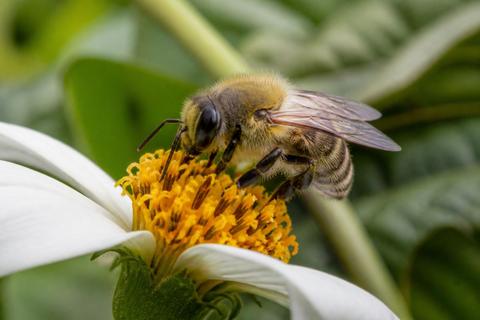
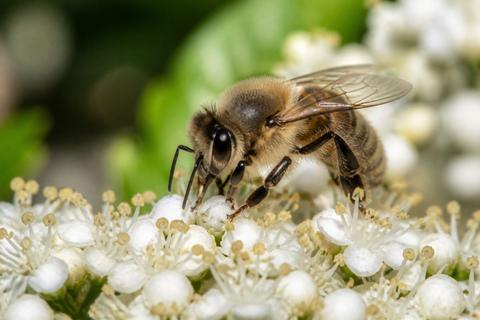
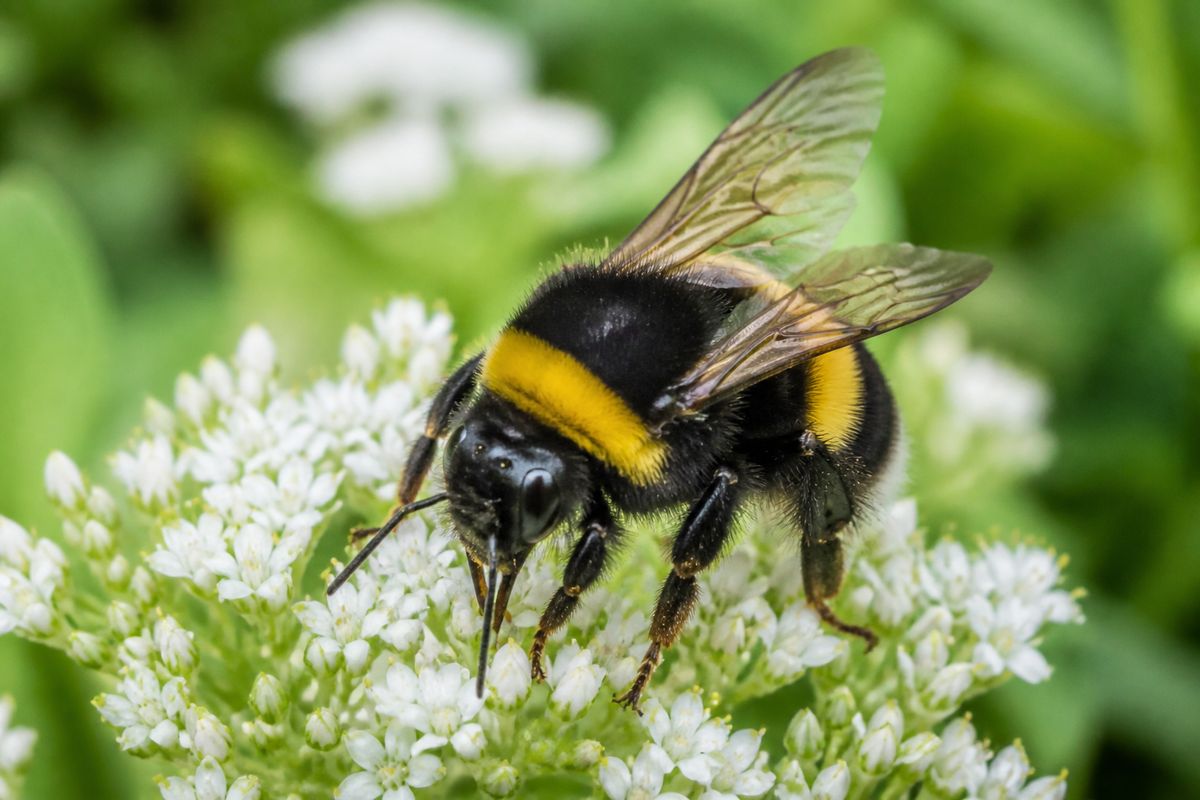
Bees and other pollinators need overlapping bloom windows from early spring through fall; a site with heavy June flowering and nothing in April or September leaves gaps that starve out species with shorter flight seasons. Caterpillars are pickier still; monarch larvae eat only milkweed (Asclepias species), so a meadow without it will draw adult butterflies but never support a breeding population.
Nesting: Most Bees Need Dirt, Not Flowers
At least three-fourths of native bee species nest in the ground, digging burrows in bare or sparsely vegetated soil rather than building hives. Mulch, turf, and landscape fabric block that access. The remaining species nest in hollow stems, beetle tunnels in dead wood, or existing cavities, which is a separate resource entirely.
Shelter: Leaf Litter and Standing Dead Wood
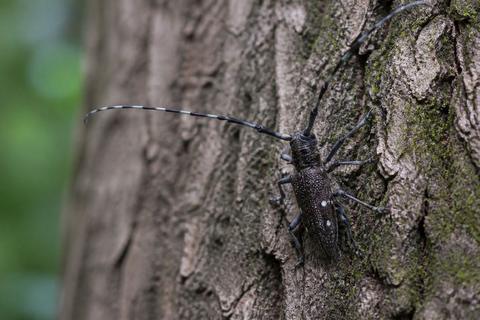
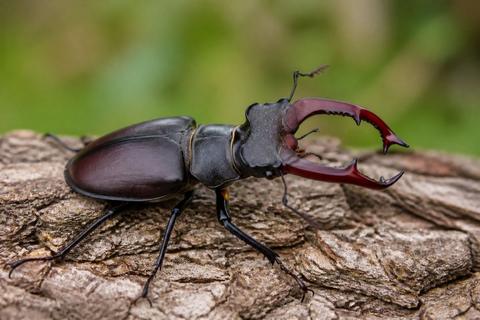
Fallen leaves and dead stems aren't yard waste to insects. Firefly larvae overwinter in leaf litter and under decaying logs, and many bee species use hollow plant stems or tunnels bored into dead wood to pass the winter. Clearing a site down to bare mulch every fall removes this shelter along with the leaves.
Assess the Site Before Touching It
Survey what's already there before planting anything. Skipping this step means restoration crews sometimes rip out the one patch of bare soil hosting an active mining-bee colony.
- Species survey: Walk the site at different times of day across a season and record which insects are present. A few indicator species (native bumble bees, ground beetles, dragonflies near water) say a lot about existing habitat quality.
- Soil test: Compaction, pH, and organic matter content determine which native plants will establish. Heavily compacted soil from past mowing or vehicle traffic needs aeration before seeding.
- Existing vegetation map: Note which patches are native versus which are turf grass or invasive cover, so planting effort goes where it's needed rather than where it's easiest.
- Disturbance sources: Identify pesticide use on adjacent land, storm runoff paths, and any invasive species already spreading, since these will undercut new plantings if left unaddressed.
Build the Restoration Plan Around Native Plants
A restoration plan needs specific, measurable objectives, not "improve habitat." Set targets like doubling native plant species count, adding bloom coverage in a specific month, or reducing bare compacted soil by a set percentage.
Choose Plants for the Site, Not the Catalog
Native species adapted to the local soil and rainfall pattern establish with less irrigation and no fertilizer, and they support far more insect life than ornamental cultivars bred for uniform bloom color. A regional native plant list from a state extension office or native plant society narrows the choice to species proven for that soil type and hardiness zone.
Physical Structures Worth Building
- Wildflower plantings: Group plantings of the same species in patches rather than scattering single plants; foraging bees find and use dense patches far more efficiently than isolated flowers.
- Buffer strips: A vegetated buffer between cropland and habitat cuts pesticide drift reaching pollinators. Extension guidance recommends buffer widths from 40 feet for ground-based spraying up to 125 feet for pesticides highly toxic to pollinators.
- Standing dead wood and brush piles: Leave snags and fallen logs in place instead of clearing them; they host wood-boring beetle larvae and the bees and wasps that later use the abandoned tunnels.
- Shallow water features: A small pond with gently sloped edges lets dragonflies, damselflies, and many beetles breed, and gives ground-foraging insects a drinking source in dry months.
Do the Work in the Right Order
Sequencing matters as much as the individual techniques.
Replant on a Bloom Schedule
Stagger native plantings so something is flowering from the first warm week of spring through the first frost. Clustering plants by bloom time, rather than by height or color, is what actually closes the food gaps identified during assessment.
Remove Invasives Without Wrecking the Rest
Hand-pulling, targeted spot-treatment, or controlled burns each work better in different situations; broadcast herbicide use on a site being restored for insects tends to kill the natives being planted along with the target weed. Match the removal method to the invasive species and the surrounding vegetation you want to keep.
Fix the Soil First
Compacted, nutrient-poor soil undermines every other step. Adding compost, planting cover crops during fallow periods, and keeping heavy equipment off the restoration area during wet months all rebuild the soil structure that plants and burrowing insects both depend on.
Skip Routine Pesticide Use
Integrated pest management (scouting, targeted spot treatment, and encouraging predatory insects like lady beetles and lacewings) keeps pest outbreaks in check without the collateral damage broadcast insecticide does to the pollinators and predators the restoration is trying to bring back.
Track What Changes
Baseline data from the initial assessment only pays off if it's compared against something. Repeat the same survey methods on a fixed schedule, ideally the same season each year, so the numbers are comparable.
- Insect counts: Repeat the species survey annually and compare against the baseline, not just against last year, to catch slow declines.
- Plant establishment: Track survival rate and spread of new native plantings; some first-year die-off is normal for new plantings and doesn't necessarily mean the plan failed.
- Soil condition: Retest compaction and organic matter every year or two; soil recovery is slower than plant establishment and easy to overlook.
When a metric stalls or reverses, adjust the specific technique tied to it rather than restarting the whole plan.
Bring In Volunteers for the Labor-Heavy Parts
Planting days, invasive removal, and repeat surveys all need more hands than most restoration budgets can pay for. Local volunteers who learn to identify native plants and correctly log insect sightings turn into a standing workforce for the multi-year maintenance restoration actually requires.
What to Cover in Training
- Telling native seedlings apart from look-alike weeds before they're old enough to flower
- Correct planting depth and spacing for the species being used
- Basic monitoring: how to log a sighting, when to flag an invasive outbreak, when to leave a patch alone
Volunteers trained this way keep contributing well past the initial planting, which is when most restoration projects actually run into trouble.
What Success Looks Like a Few Years In
A restored site earns that label when the insect counts from the annual survey climb past the original baseline and keep holding, not just spike in the first flush after planting. That means bare soil patches still open for ground-nesting bees, dead wood left standing instead of hauled off, bloom coverage running spring through fall, and buffer strips still intact against the neighboring land use. None of it is a one-time project; it's a maintenance routine that has to outlast the crew that started it.