How to Spot Yellowjackets in the Wild: Key Field Marks
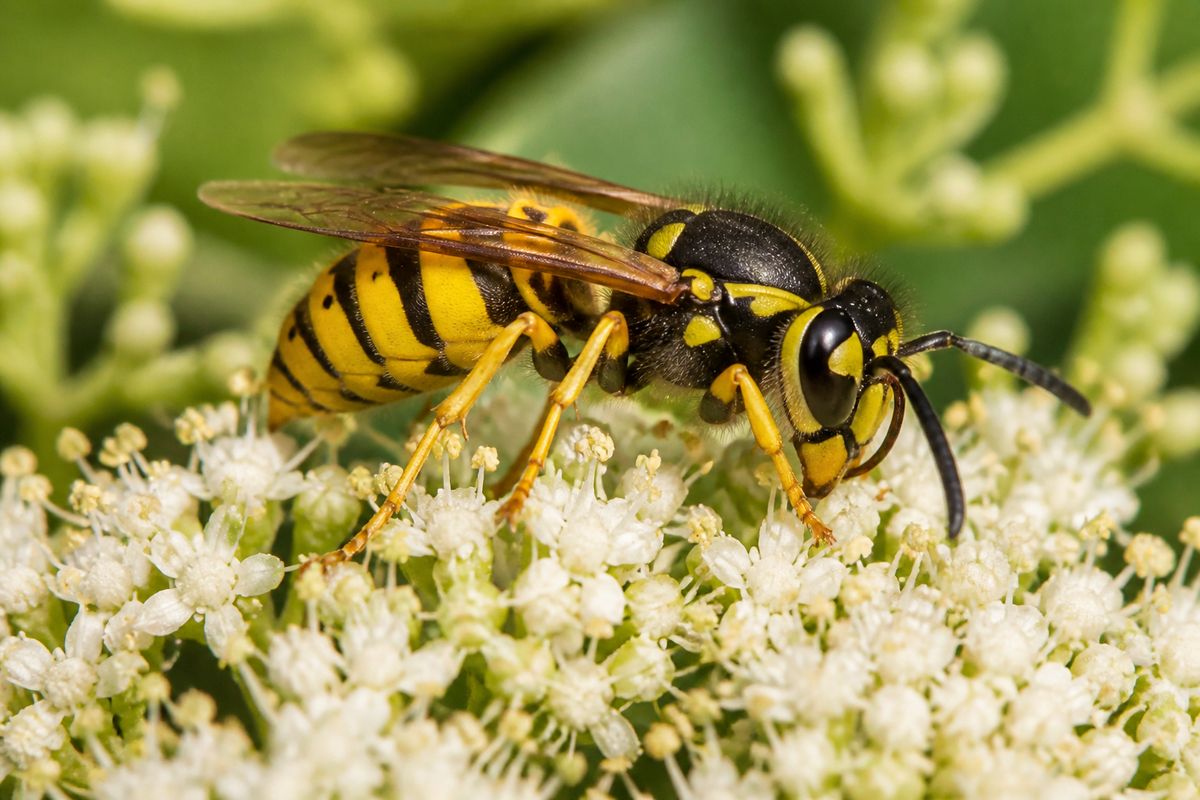
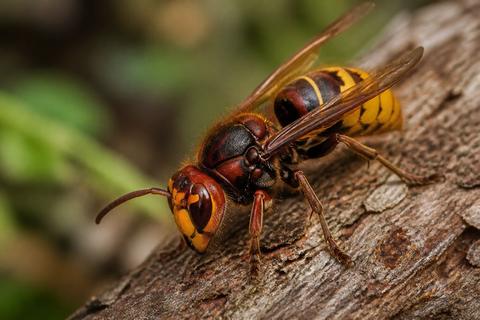
How to Spot Yellowjackets in the Wild starts with the shiny, smooth body: unlike a honeybee, a yellowjacket has almost no hair, which is what lets its black-and-yellow bands read as bold, high-contrast stripes instead of a fuzzy blur. They belong to the genus Vespula (a few species nest above ground in the related genus Dolichovespula), and in North America the three you're most likely to run into are the eastern, western, and German yellowjacket.
Field Marks: What to Look For
Before worrying about species, check these four things:
-
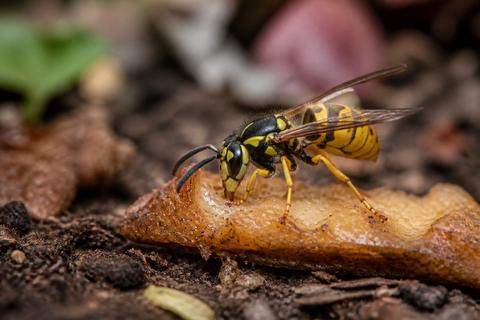
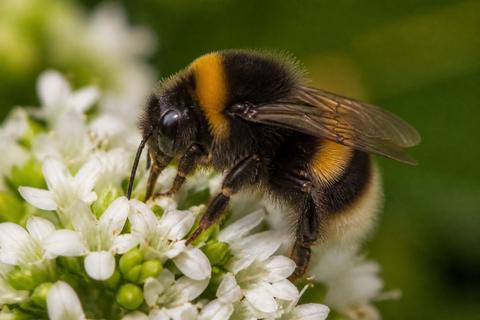
Coloration: Bold, high-contrast yellow-and-black bands, not the softer, fuzzier yellow of a bumblebee.
-
Size: Workers run about 3/8 to 5/8 inch (roughly 10-16mm); queens are noticeably larger and are the ones you'll see flying in spring.
-
Wings: Clear, and folded lengthwise along the body at rest.
Telling the Three Common Species Apart
-
Eastern yellowjacket (Vespula maculifrons): Similar in size to other yellowjacket workers, with a wide, anchor-shaped black mark on the first abdominal segment. Common east of the Great Plains.
-
Western yellowjacket (Vespula pennsylvanica): The species most commercial yellowjacket traps are designed around, despite the "pennsylvanica" name. Nests defensively and often in large numbers when disturbed.
-
German yellowjacket (Vespula germanica): Similar in size to other yellowjacket workers, with yellow legs and black marks on each abdominal segment shaped like thick downward-pointing arrows. Introduced from Europe, it first appeared in Ohio in 1975 and is now the dominant yellowjacket species there.
Where They Turn Up
Parks and Gardens
They forage flowers and fruit trees for nectar in early season, then shift to picnic tables and open trash cans as summer turns to fall.
Forest Edges
The border between woods and open ground is prime nesting habitat: fallen logs, stump holes, and abandoned rodent burrows all make usable cavities.
Around Buildings
Wall voids, attic gaps, and porch eaves get used as often as anything wild. A nest started by a single queen in spring can hold 4,000 to 5,000 workers by August or September, whether it's tucked underground or inside a wall cavity.
Colony Life Cycle by Season
Spring
A mated queen that overwintered alone emerges and starts a small paper nest by herself, raising the first handful of workers unassisted.
Summer
Once the first workers mature, they take over foraging and nest-building while the queen focuses on laying eggs. Colony growth accelerates through the summer and peaks in the thousands by late season.
Fall
This is peak population and peak aggression: natural nectar and prey are thinning out, so workers switch hard to scavenging sugar and protein, including from human food, and they defend the crowded nest more readily.
Winter
The whole colony dies except newly mated queens, which crawl into leaf litter, loose bark, or a similar shelter to overwinter alone and start the cycle again next spring.
Yellowjacket, Bee, or Other Wasp?
-
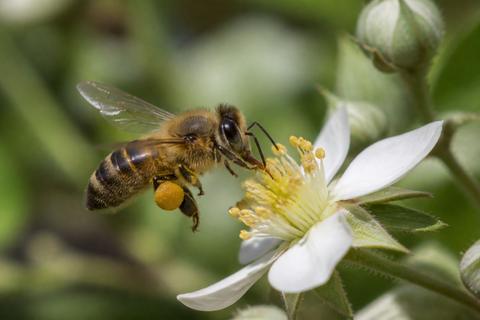
Honeybees: Hairy, built for carrying pollen, and able to sting only once before they die. A yellowjacket has almost no hair and can sting repeatedly.
-
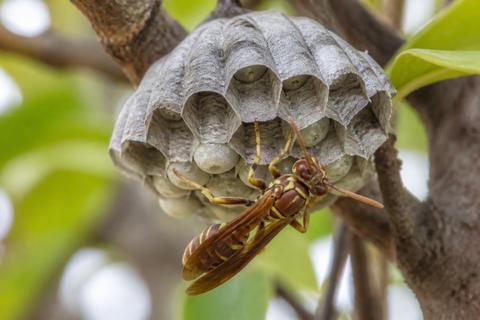
Paper wasps: Long, dangling legs visible in flight, and a slimmer, more elongated body. They're less defensive than yellowjackets and tend to give a warning before stinging.
-
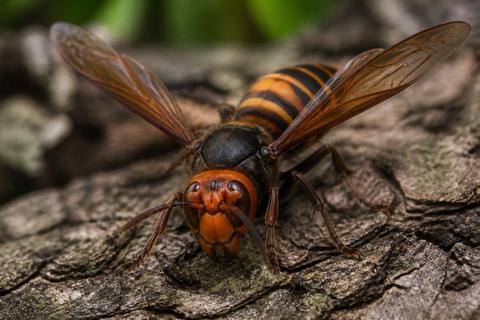
Hornets: Larger overall. A baldfaced hornet runs 5/8 to 3/4 inch with a white face and black-and-white pattern instead of yellow.
If You Find a Nest or Get Stung
-
Back away slowly: Sudden movement or swatting can trigger an alarm pheromone that draws in more workers from the nest.
-
Don't seal or spray a nest yourself if it's in a wall void or attic; a disturbed indoor colony can come out through light fixtures or baseboards.
-
Cover food and drinks outdoors, and empty trash cans often, especially from August through October when scavenging peaks.
-
Skip bright colors and strong scents if you're going to be near known nesting areas.
-
Carry antihistamine if you have a known sting allergy, and treat multiple stings or any sign of a severe reaction as a reason to seek medical care.
Why It's Worth Knowing the Difference
A yellowjacket colony spends the summer killing caterpillars, flies, and other soft-bodied insects to feed its larvae, so the same wasps raiding your picnic in September were pest control in June. Learning the field marks means you can give a nest a wide berth in fall without reflexively swatting every black-and-yellow insect you see the rest of the year.