What Do Yellowjackets Eat? Prey, Sweets, and Carrion
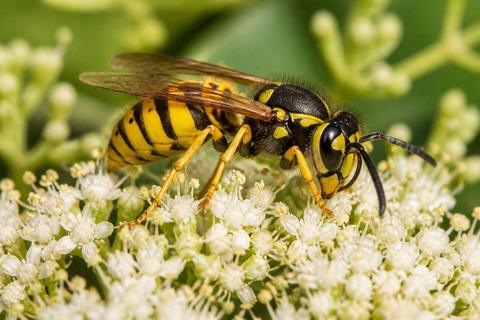
What Do Yellowjackets Eat? The short answer is two different diets under one roof: the grubs back in the nest need protein, and the adult wasps flying around your picnic table are running on sugar. Ohio State University Extension notes that "adults feed primarily on items high in sugars and carbohydrates (fruits, flower nectar, and tree sap) while the larvae need proteins (insects, meats, fish, etc.)." That split explains almost everything about how these wasps behave, from spring hunting trips to their August turn toward soda cans.
Larvae Run on Protein
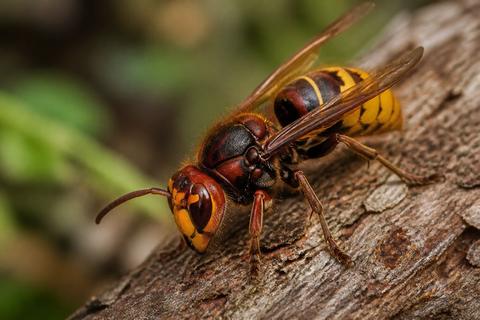
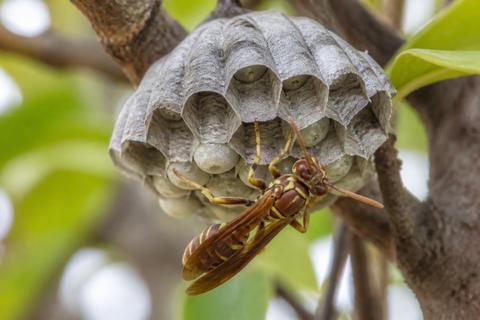
A yellowjacket colony starts with one mated queen who builds a small paper nest and raises the first dozen or so workers herself. Those workers then take over foraging, and their main job for most of the season is hunting. Yellowjackets are active predators, not just scavengers, and workers will attack and dismember caterpillars, flies, and other soft-bodied insects to bring back to the nest.
What Gets Fed to the Grubs
- Live prey: caterpillars, flies, and other insects, chewed into a paste before delivery.
- Other arthropods: spiders and dead insects scavenged rather than hunted fresh.
- Aphids and other soft-bodied insects, taken for their protein content rather than their honeydew.
The trade runs both ways. Larvae secrete a sugary saliva that workers lick up in exchange for the meat paste, a reciprocal exchange called trophallaxis. It is the reason a colony can function on a single external food source per caste: adults hunt for the larvae's protein and, in return, get a sugar ration they would otherwise have to forage for themselves.
Adult Diet Shifts Toward Sugar
Once a worker is fully grown, it needs less protein and far more carbohydrate to fuel flight. Adults still hunt, but a growing share of their foraging time goes toward sugar sources.
Protein and Carrion
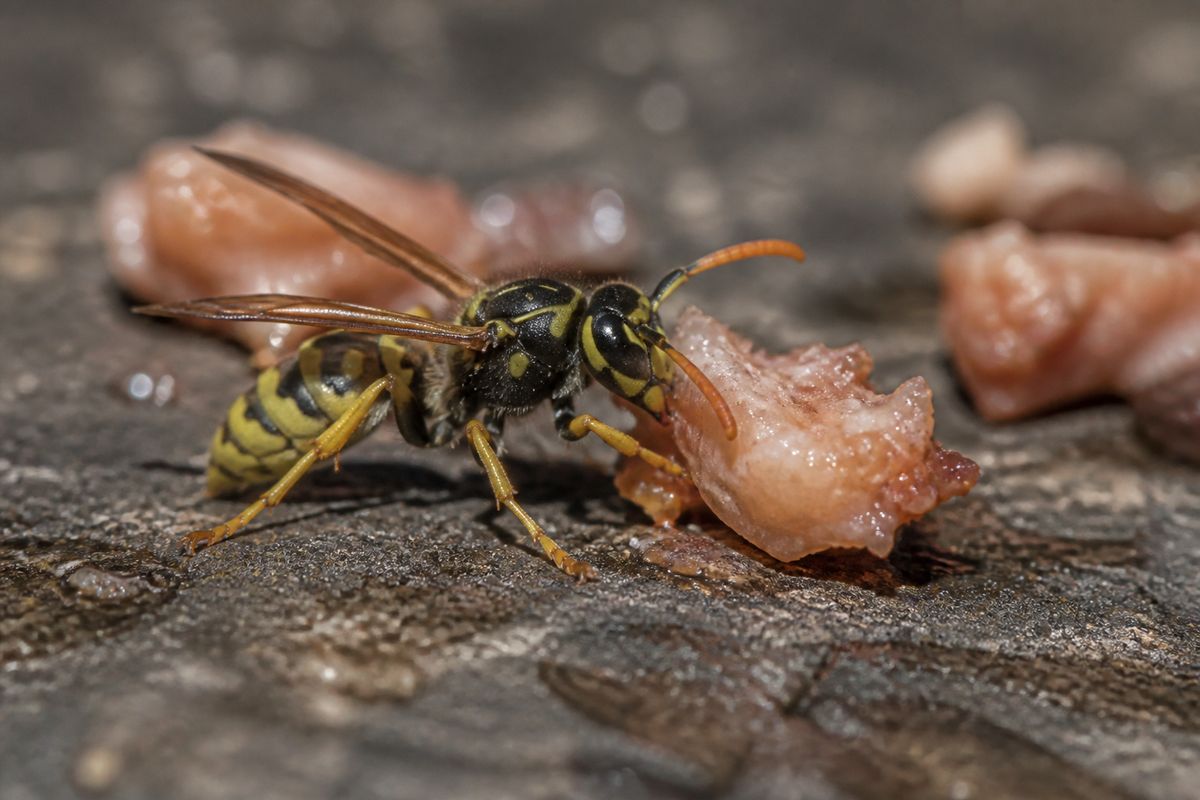
- Decaying meat and carrion: yellowjackets scavenge dead animals, picnic meat scraps, and pet food left outdoors.
- Fish remains: common near docks, fish-cleaning stations, and campsites.
Sugar and Carbohydrates
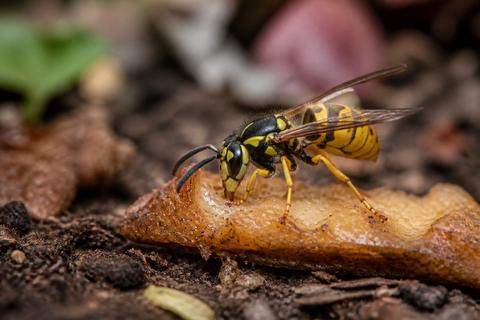
- Ripe or overripe fruit, including fallen apples, grapes, and peaches.
- Flower nectar and tree sap, especially from oozing wounds on trees.
- Honeydew, the sugary excretion left by aphids and scale insects on leaves.
- Human sugar sources: soda, juice, beer, and anything sticky left on a picnic table.
Diet Changes Through the Season
Spring
A newly emerged queen has no workers yet, so she hunts and builds alone. Early prey goes almost entirely to feeding the first batch of larvae; there is little surplus for sugar foraging at this stage.
Summer
With workers established, the colony forages on both fronts at once, protein for the growing brood and carbohydrate for the workers' own energy. Colony size can reach several thousand workers in a single nest by mid to late summer, which is why activity around trash cans and outdoor food noticeably increases.
Late Summer and Fall
Ohio State Extension puts the shift plainly: "In the late summer (August–October), their food preferences change from proteins to sweets." The same source explains why: the colony stops producing new larvae, so there is no more brood to feed with protein, and the remaining workers switch almost entirely to scavenging sugar. This is the period when yellowjackets get aggressive around garbage cans, soda cans, and fallen fruit.
Winter
The old queen, all workers, and the year's drones die off with the first hard frosts. Only newly mated queens survive, and they do not overwinter in the nest. According to Ohio State Extension, "fertilized queens overwinter in hollow logs, under loose bark of dead trees, soil cavities, and other protected places," entering a dormant state until temperatures warm enough in spring for them to emerge and start a new colony alone.
Why the Diet Matters Outside the Nest
Natural Pest Control
Because workers hunt caterpillars and other plant-feeding insects all summer to feed larvae, a single nest removes a substantial number of garden pests over a season without any input from a gardener.
Incidental Pollination
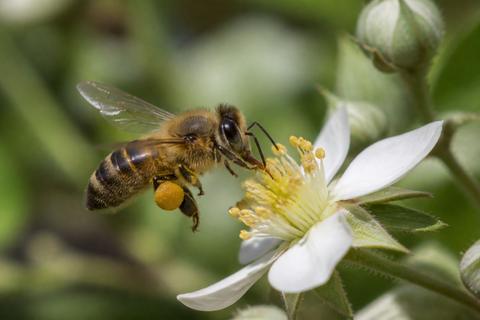
Yellowjackets are not efficient pollinators the way bees are, since their bodies are smooth rather than hairy, but nectar visits in late summer and fall still move some pollen between flowers.
Keeping Yellowjackets Away From Food
- Seal garbage cans with tight-fitting lids; open trash is one of the biggest fall attractants.
- Cover food at outdoor meals and check drink cans before drinking from them.
- Clean up fallen fruit under trees, since overripe fruit draws foragers quickly.
If You Need to Remove a Nest
Nests near doorways, decks, or foot traffic are worth handing to a pest control professional, particularly by late summer when colonies are largest and most defensive. Small, low-traffic nests can sometimes be managed with sugar-bait traps set well away from seating areas, though traps alone rarely eliminate an established colony.